


Ако някога сте разглеждали батерия, инвертор или соларен уред, вероятно сте виждали мощност, изразена във ватове (W). Батериите и електрическите системи обаче често се оценяват в ампери (A) или амперчасове (Ah).
Това може да затрудни определянето дали батерията може безопасно да захранва устройство, колко ток ще консумира уредът или какъв размер батерия всъщност ви е необходим.
Преобразуването на ватове в ампери е лесно, след като знаете системното напрежение. В това ръководство ще научите формулите, ще видите практически примери и ще разберете как да използвате резултатите при избора на LiFePO4 батерия.
Калкулатор за ватове в ампери
За да преобразувате ватове в ампери, разделете мощността във ватове на системното напрежение. Формула (DC системи):
Ампери = Ватове ÷ Волтове; Например Ампер = 1000W ÷ 12V = 83.3A
Бърз калкулатор за преобразуване на ватове в ампера
Точната формула обаче зависи от това дали работите със система с постоянен ток, еднофазна променливотокова верига или трифазна променливотокова система.
Формули от ватове до ампери по вид мощност
Формулата за преобразуване на ватове в ампери зависи от вида на електрическата система. Въпреки че се използват различни изчисления за постоянен и променлив ток, повечето приложения, базирани на батерии, използват постояннотокови системи. Разбирането коя формула е приложима за вашата система ще ви помогне да изчислите консумирания ток по-точно.
DC системи (най-често срещани за батерии)
За повечето LiFePO4 батерия системи, електрически инсталации за кемпери, преносими електроцентрали и системи за съхранение на слънчева енергия, захранването се подава като постоянен ток (DC). В DC системите, преобразуването на ватове в ампери е лесно: Ампери = Ватове ÷ Волтове
Например, ако уред с мощност 600 W се захранва от 12V батерия: 600W ÷ 12V = 50A. Това означава, че уредът консумира приблизително 50 ампера по време на работа.
Климатици
Системите с променлив ток (AC) използват малко по-различно изчисление, тъй като напрежението и токът не винаги са перфектно съобразени. В тези случаи трябва да се вземе предвид и коефициентът на мощност (PF).
Формула за еднофазен променлив ток
Еднофазният променливотоков ток се използва често в домове, уреди и преносими генератори. Формула за променлив ток (ватове в ампери): Ампери = Ватове ÷ (Волтове × Фактор на мощността)
Например, уред с мощност 1200 W, работещ на 230 V с фактор на мощността 1,0, консумира приблизително: 1200 ÷ (230 × 1,0) = 5,2 А
Трифазна променливотокова формула
Трифазното захранване обикновено се среща в търговски сгради, промишлено оборудване, системи за зареждане на електрически превозни средства и мащабни инсталации за съхранение на енергия.
Ампери = Ватове ÷ (√3 × Волтове × Фактор на мощността)
Тази формула позволява на електроинженерите и инсталаторите да изчисляват по-точно изискванията за ток за системи с по-висока мощност.
Често срещани преобразувания от ватове в ампери за 12V, 24V и 48V системи
Таблицата по-долу показва често срещани преобразувания на мощност в ток за 12V, 24V и 48V батерийни системи.
| Мощност (W) | 12V система | 24V система | 48V система |
|---|---|---|---|
| 100W | 8.3А | 4.2А | 2.1А |
| 200W | 16.7А | 8.3А | 4.2А |
| 500W | 41.7А | 20.8А | 10.4А |
| 1000W | 83.3А | 41.7А | 20.8А |
| 1500W | 125А | 62.5А | 31.3А |
| 2000W | 166.7А | 83.3А | 41.7А |
| 3000W | 250А | 125А | 62.5А |
Както можете да видите, системите с по-високо напрежение изискват по-малко ток, за да доставят същото количество мощност. Например, товар от 1000 W черпи приблизително 83,3 A при 12 V, но само 41,7 A при 24 V и 20,8 A при 48 V. По-ниският ток може да помогне за намаляване на изискванията за размер на кабелите, минимизиране на пада на напрежението и подобряване на цялостната ефективност на системата. Това е особено полезно за приложения с висока мощност, като например електрически системи за кемпери, автономни слънчеви инсталации и домашни резервни захранващи системи.
Защо да преобразуваме ватове в ампери при избора на батерия?
Когато пазарувате LiFePO4 батерия, често ще видите спецификации като напрежение (V), капацитет (Ah) и максимален непрекъснат ток на разреждане (A). Повечето уреди, инвертори и домакински уреди обаче са оценени във ватове (W).
За да определите дали една батерия може безопасно да захранва вашето оборудване, първо ще трябва да преобразувате ватове в ампери. Например, уред с мощност 1000 W, свързан към 12V батерийна система, изисква приблизително 83.3А (1000W ÷ 12V = 83.3A). Ето защо преобразуването от ватове в ампери е важна стъпка при сравняване на LiFePO4 батерии, тъй като ви позволява да съпоставите изискванията за мощност на вашия уред с капацитета на разреждане на батерията.
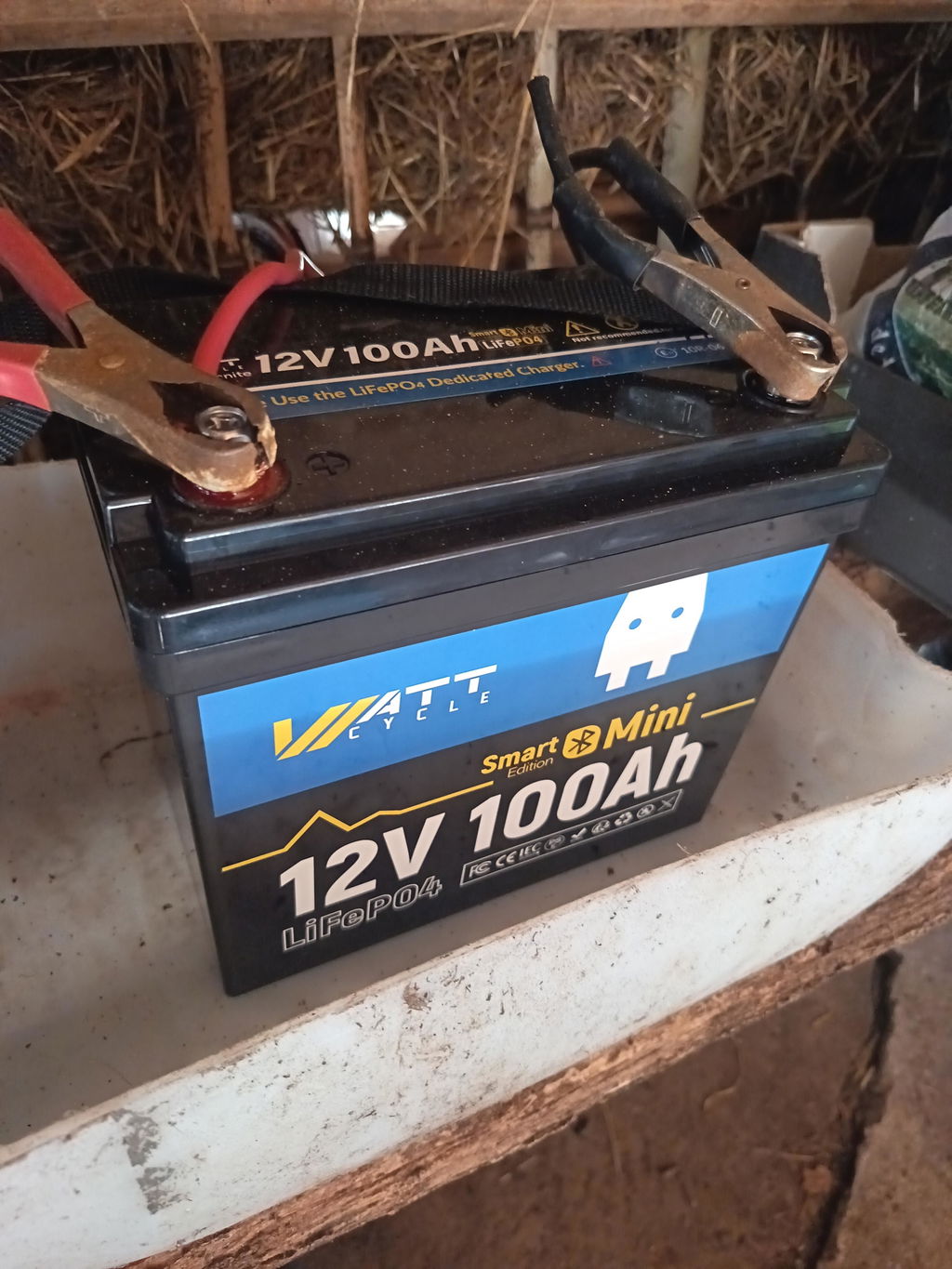
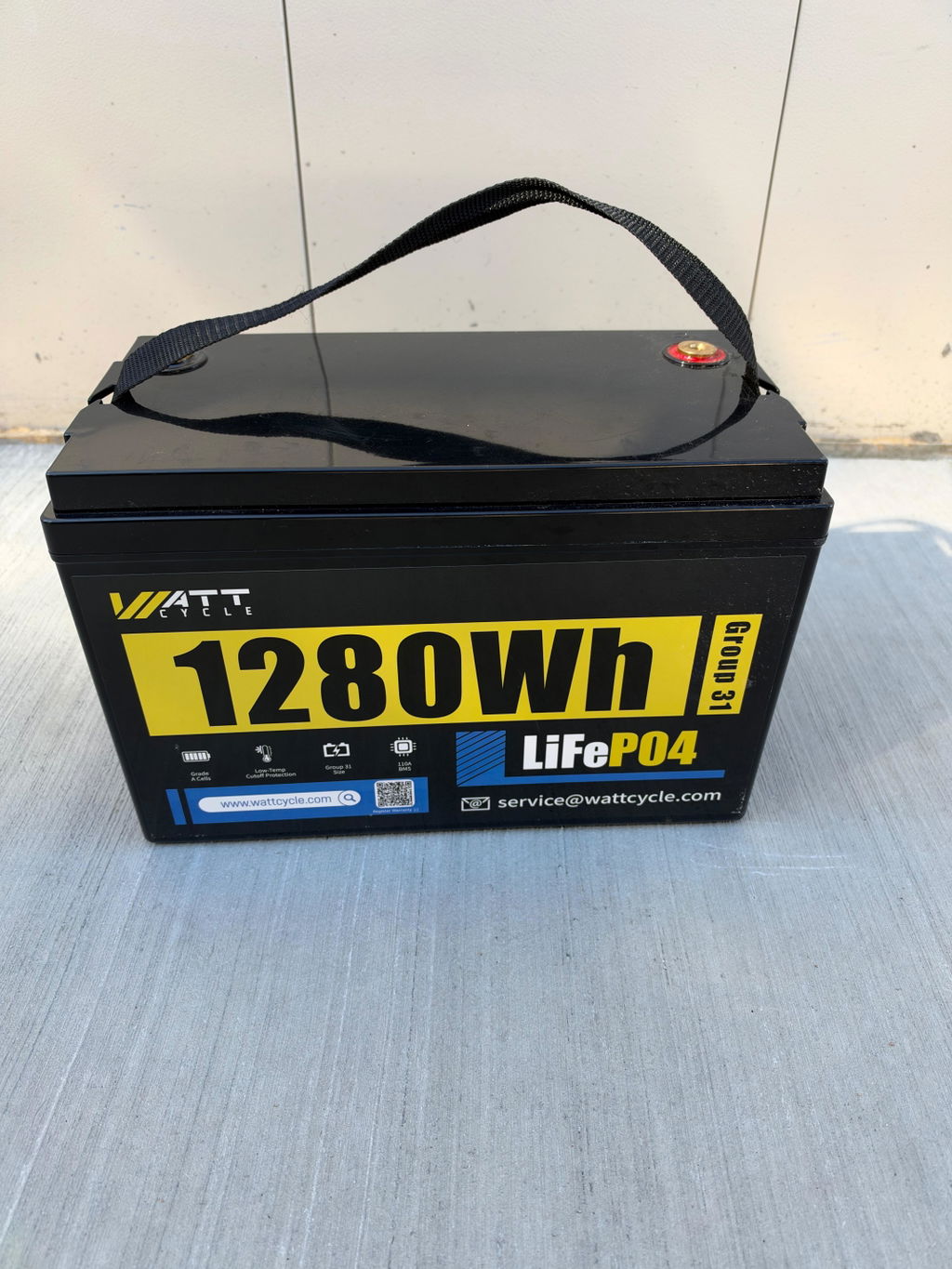
Например, Батерия за кемпер WattCycle 12V 100Ah разполага с 100A максимален непрекъснат ток на разреждане и поддържа до Изходна мощност 1280 W. Тъй като уред с мощност 1000 W изисква само 83,3 A, тази батерия може удобно да се справи с много често срещани товари за кемпери, като същевременно осигурява запас от безопасност. Компактният ѝ дизайн под седалката я прави практичен избор за кемпери, кемпери и мобилни автономни съоръжения.

Ако искате да сравните и капацитета на батерията в киловатчасове, вижте нашето ръководство за Преобразуване на MWh в kWh.
Често задавани въпроси за ватове в ампери
Каква е разликата между ватове и ампери?
Ватовете измерват електрическата мощност, докато амперите измерват електрическия ток. Казано по-просто, ватовете показват колко енергия консумира едно устройство, докато амперите показват колко ток протича през веригата.
1 ват равен ли е на 1 ампер?
Не. Ватовете и амперите измерват различни електрически величини, така че не са директно равни.
Връзката зависи от напрежението.
Например:
- При 1V, 1W = 1A
- При 12V, 12W = 1A
- При 24V, 24W = 1A
За да преобразувате ватове в ампери, използвайте: Ампери = Ватове ÷ Волтове
Какво е 1000 вата в ампера при 240V?
За да изчислите амперите от ватовете при 240V:
Ампери = Ватове ÷ Волтове
1000W ÷ 240V = 4.17A
Уред с мощност 1000 W, свързан към захранване 240 V, консумира приблизително 4,17 ампера.
Заключителни мисли
Преобразуването на ватове в ампери е просто, но важно изчисление при работа с батерии, инвертори, слънчеви енергийни системи и електрически уреди. Като разберете връзката между мощност, напрежение и ток, можете по-добре да оцените енергийните си нужди и да изберете батерийна система, която отговаря на вашите нужди.
Независимо дали изграждате захранваща система за кемпер, надграждате система за съхранение на слънчева енергия или избирате LiFePO4 батерия за резервно захранване, знанието как да преобразувате ватове в ампери може да ви помогне да вземате по-информирани решения.
WattCycle предлага широка гама от LiFePO4 батерии, включително модели 12V, 24V и 48V, предназначени за кемпери, приложения извън мрежата, съхранение на слънчева енергия и домашни резервни захранващи системи. Използвайте калкулатора по-горе, за да оцените текущите си нужди и да намерите решението за батерии, което най-добре отговаря на вашата конфигурация.


Comments
No comments yet. Be the first to share your thoughts.
Leave a Comment