Hi, I’m Gerben. In 2024, I designed and built a complete off-grid power system for a family member starting a new life in rural Portugal.
The property was truly off-grid: a remote field reached by a rocky dirt road, with no water, electricity or infrastructure—just a few olive trees and a small, leaky shed.
Our goal was to create enough power for everyday life, including a washing machine, dishwasher, household appliances and lighting through the night, even during winter. The biggest challenge was budget: the entire system initially cost around €2,200.
Starting with 4.5 kWp of Solar
We found 18 used 250 W solar panels through a local classified ad for only €200. Since space was not an issue, their lower individual output did not matter. Together, they gave us a 4.5 kWp solar array.

Instead of connecting all 18 panels in one high-voltage string, we created three parallel strings of six panels. Each string produces around 226 V at 7 A, giving approximately 226 V and 21 A across the complete array.

For solar charging, we selected a Victron SmartSolar MPPT 250/100.
Why We Chose a 48 V System
Our original battery bank consisted of four 12 V 100 Ah AGM batteries connected in series to create a 48 V system.
The main reason for choosing 48 V was simple: lower current. At 4.5 kWp, a 48 V system requires roughly 100 A, while the same power at 12 V could approach 400 A. Lower current means more manageable cables, lower losses and easier electrical connections.
We used 35 mm² cables, a 120 A fuse between the battery bank and MPPT, and isolation switches on both the solar and battery sides.

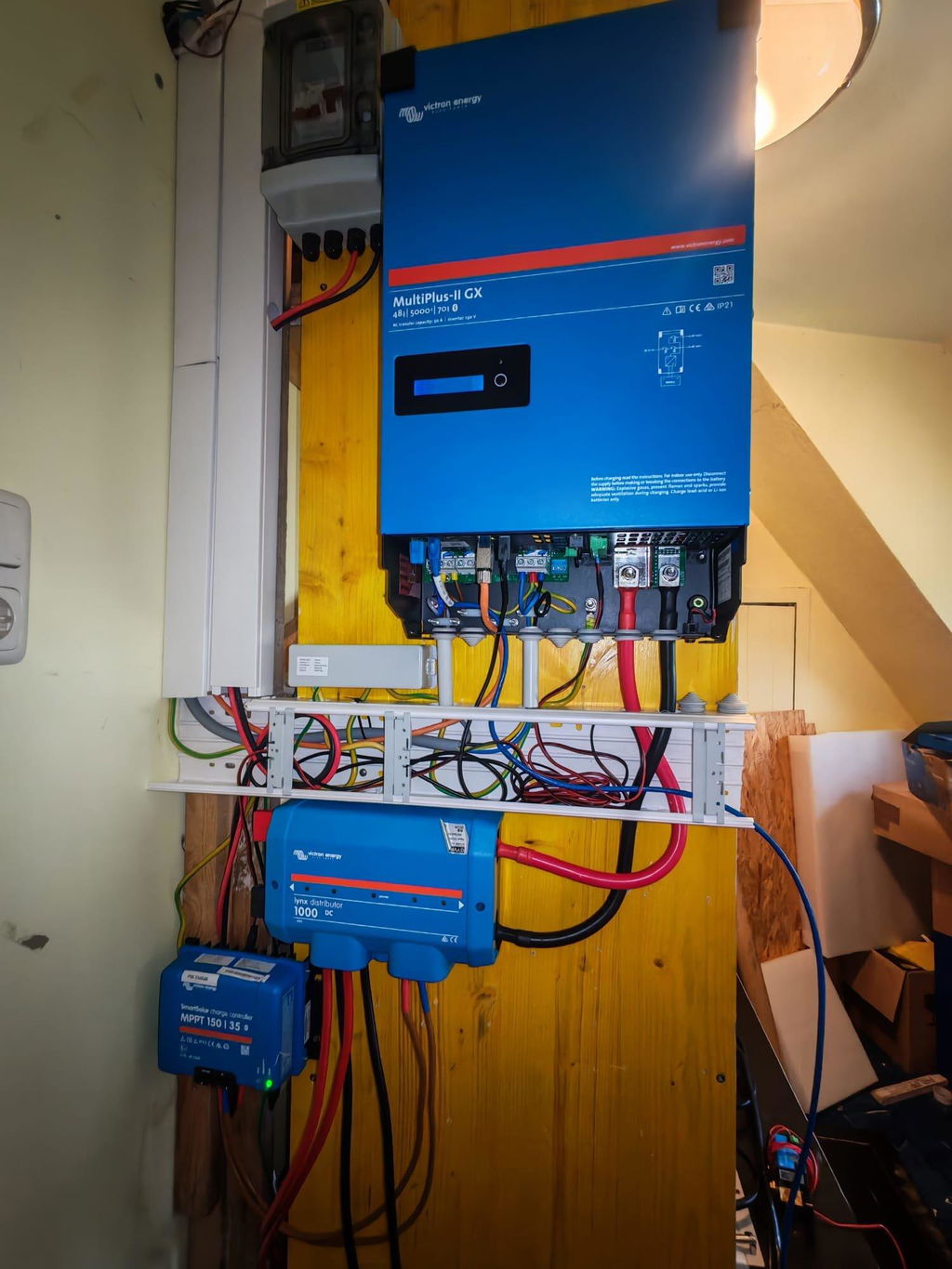
To convert 48 V DC into household 230 V AC, we chose an EPEVER IPower IP3000-42 Plus pure-sine inverter rated at 3,000 W. After two years of continuous operation, it has proven very reliable.

An IKEA Cabinet Became Our Power Station
With no dedicated utility room available, we needed somewhere practical to install everything.
Our solution was surprisingly simple: an IKEA KOLBJÖRN metal garden cabinet. The shelves accommodated the batteries, while the larger compartment provided enough space for the MPPT and inverter. With a sturdy mounting board and added ventilation, an ordinary garden cabinet became our outdoor power station.

Upgrading to WattCycle LiFePO₄
After around two years, one of the AGM batteries failed due to leakage. By then, we had saved enough to upgrade the system to LiFePO₄.

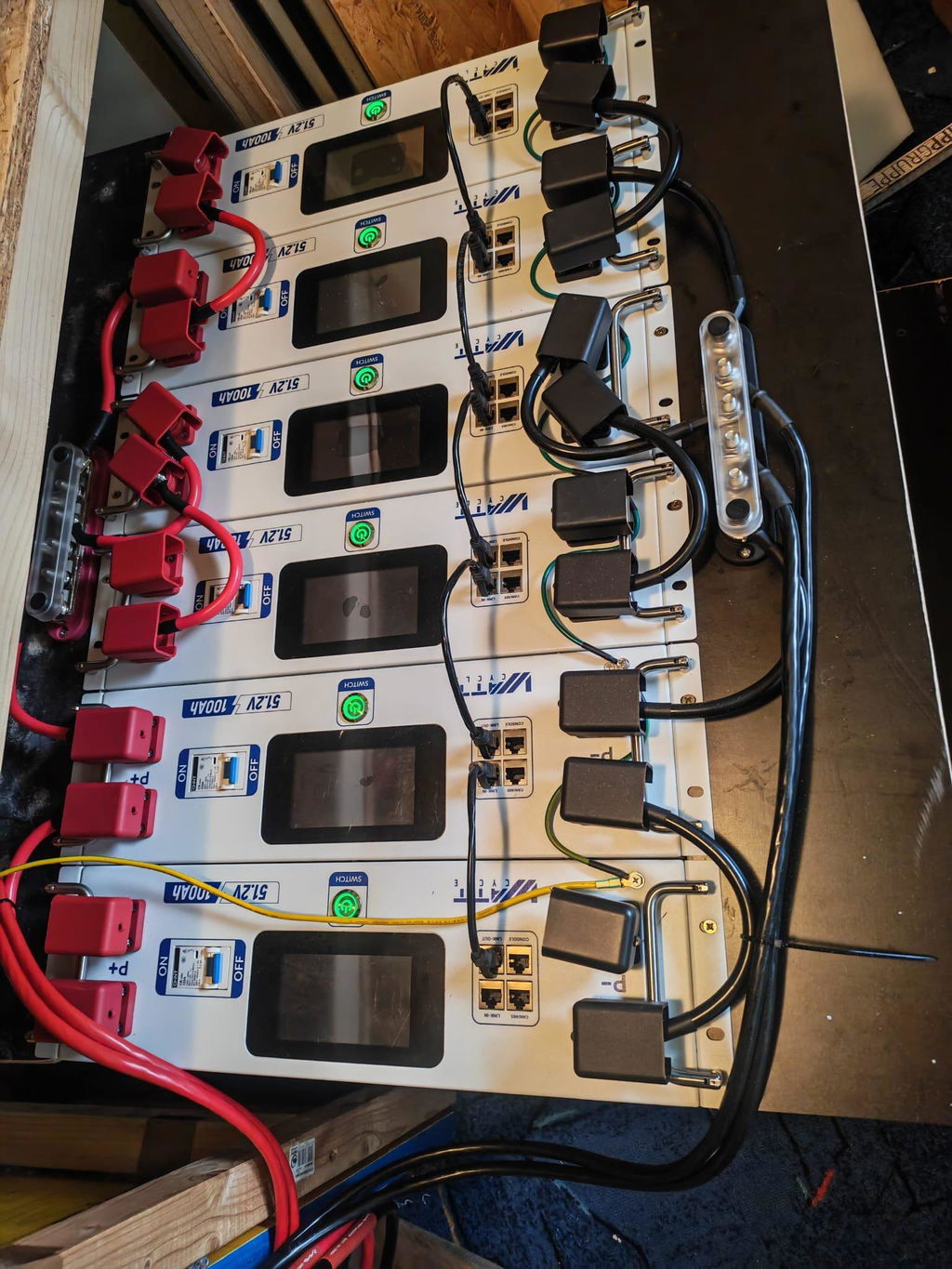
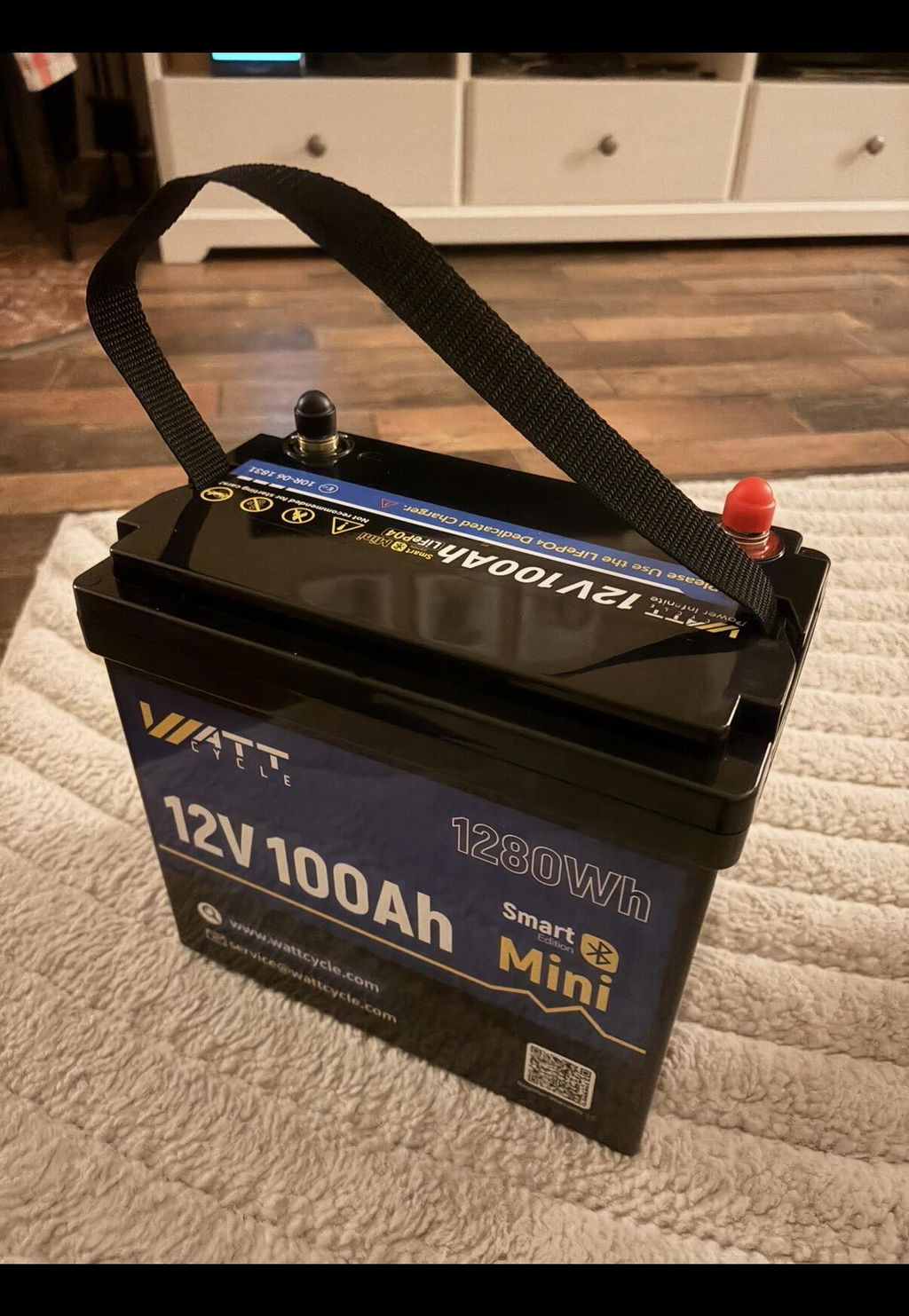
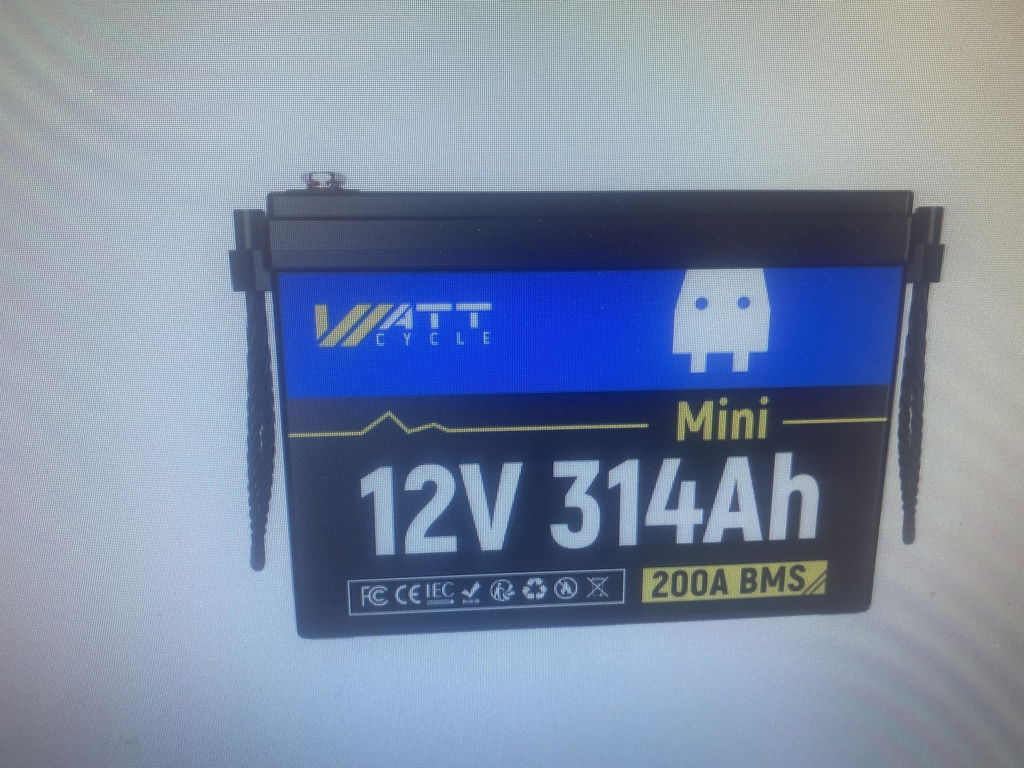
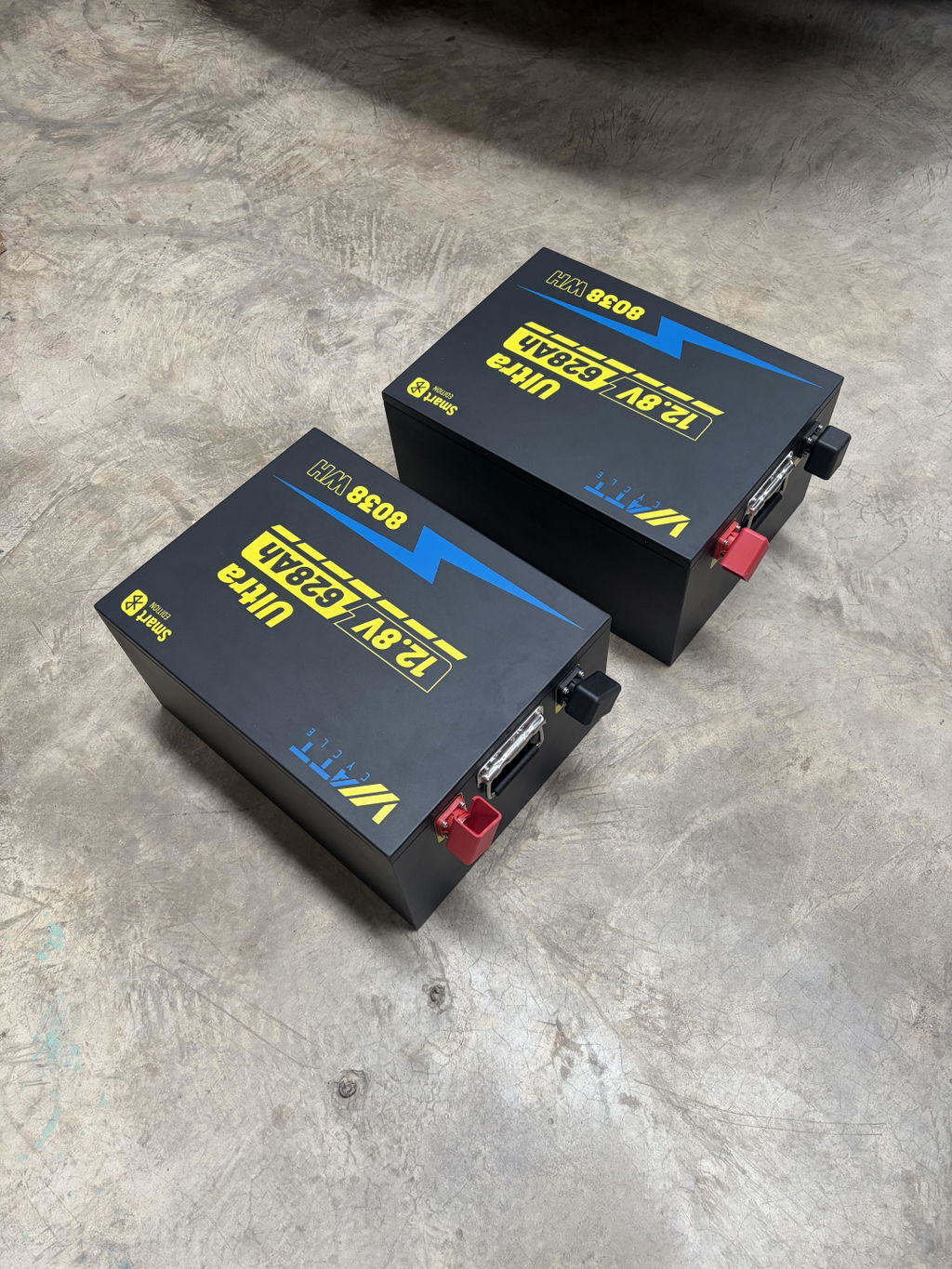
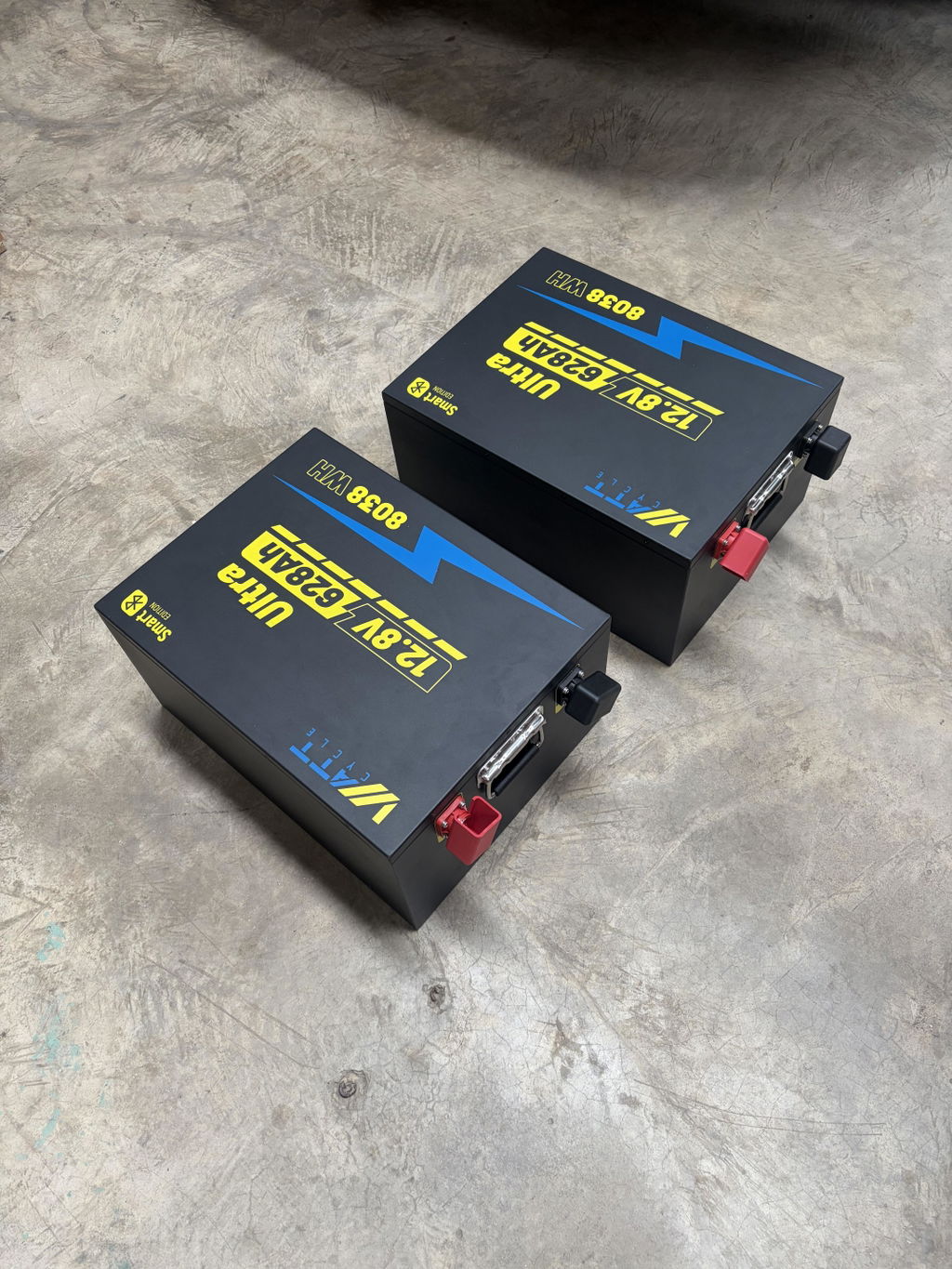
We chose four WattCycle 12 V 100 Ah Mini batteries. Their compact size fitted our existing cabinet even better than the AGM batteries, while built-in Bluetooth monitoring gave us much clearer insight into battery status and performance.
Before installation, we charged each battery individually to 100% using a LiFePO₄ charger. We then connected the four batteries in series and brought our 48 V off-grid system back online.

Two years, plenty of research, one IKEA cabinet and a lot of Portuguese sunshine later, our little power station is ready for many more years of independent off-grid living. 😊