


A LiFePO4 (lítium-vas-foszfát) akkumulátor egy újratölthető lítium-ion akkumulátor, amely kivételes tartósságáról, magas fokú biztonságáról és kiváló energiahatékonyságáról ismert. Mára a lakossági napelemes rendszerek, lakókocsik, tengeri alkalmazások és otthoni tartalék áramellátás egyik vezető energiatárolási megoldásává vált.
Ebben az útmutatóban elmagyarázzuk a LiFePO4 akkumulátorok működését, felvázoljuk főbb előnyeiket és korlátaikat, összehasonlítjuk őket az ólom-savas és az NMC akkumulátorokkal, és segítünk kiválasztani az energiatárolási igényeinek megfelelő akkumulátort.
Mi az a LiFePO4 akkumulátor?
A LiFePO4 akkumulátor egy újratölthető lítium-ion akkumulátor, amely lítium-vas-foszfát katódkémiát használ. Ez az akkumulátorkémia széles körben elismert kiváló biztonsága, hosszú élettartama és stabil teljesítménye miatt.
A LiFePO4 kifejezés a következő fő kémiai összetevőkből származik:
- Li = Lítium
- Fe = Vas
- PO4 = Foszfát
A hagyományos ólomakkumulátorokkal ellentétben a LiFePO4 akkumulátorok a lítiumionok pozitív és negatív elektródák közötti mozgása révén tárolják és szabadítják fel az energiát.
Manapság a LiFePO4 akkumulátorokat széles körben a mélyciklusú energiatárolási alkalmazások szabványának tekintik, mivel a biztonság, a hosszú élettartam és a megbízhatóság olyan egyensúlyát kínálják, amelyet kevés akkumulátortechnológia tud felvenni.
Hogyan működik egy LiFePO4 akkumulátor?
Más lítium-ion akkumulátorokhoz hasonlóan a LiFePO4 akkumulátorok is energiát tárolnak és szabadítanak fel a lítiumionok pozitív és negatív elektródák közötti mozgása révén.
Töltés közben:
- A lítiumionok elhagyják a katódot, áthaladnak az elektroliton és a szeparátoron, és az anódanyagban tárolódnak.
- Ezzel egy időben elektronok áramlanak a külső áramkörön keresztül az akkumulátorba.
Kiürítés közben:
- A lítiumionok visszakerülnek a katódra, míg az elektronok a külső áramkörön keresztül áramlanak, hogy energiát biztosítsanak a csatlakoztatott eszközöknek.
Az ólomakkumulátorokkal ellentétben, amelyek fokozatosan szulfatálódhatnak és veszíthetnek a kapacitásukból, a LiFePO4 akkumulátorok töltés és kisütés közben is rendkívül stabil kristályszerkezetet tartanak fenn. Ez a stabilitás csökkenti a belső kopást és segít megőrizni az akkumulátor kapacitását az idő múlásával, lehetővé téve, hogy számos LiFePO4 akkumulátor 4000–8000+ ciklust is lebonyolítson, miközben megőrzi eredeti teljesítményének nagy részét.
A LiFePO4 akkumulátorok előnyei és hátrányai
Bár a LiFePO4 akkumulátorokat széles körben használják a modern energiatároló rendszerekben, egyetlen akkumulátorkémia sem kompromisszumok nélküli. Az előnyök és a korlátok megértése segíthet eldönteni, hogy a LiFePO4 a megfelelő választás-e az Ön alkalmazásához.
| Vonatkozás | Előnyök | Korlátozások |
|---|---|---|
| Élettartam | Általában 4000–8000+ töltési ciklust bír, gyakran 10–15 év használatot. | Magasabb kezdeti beruházási költség az ólomakkumulátorokhoz képest. |
| Biztonság | Kiváló hőstabilitás és az egyik legbiztonságosabb lítium akkumulátor-kémia a piacon. | Az optimális védelem érdekében továbbra is minőségi akkumulátorkezelő rendszerre (BMS) van szükség. |
| Súly | Sokkal könnyebb, mint a hasonló használható kapacitású ólomakkumulátorok. | Kissé nehezebb, mint a nagy energiasűrűségű NMC akkumulátorok. |
| Használható kapacitás | A névleges kapacitás nagy részét biztonságosan használhatja az élettartam jelentős befolyásolása nélkül. | Nem jelentős hátrány, de a nagyon alacsony energiaigényű felhasználók számára szükségtelen lehet. |
| Töltési teljesítmény | Jelentősen gyorsabban töltődik, mint az ólomakkumulátorok. | Alacsony hőmérséklet elleni védelem nélkül a töltés fagypont alatt korlátozott lehet. |
| Energiasűrűség | Jó egyensúlyt biztosít a teljesítmény és a biztonság között. | Alacsonyabb energiasűrűség, mint az NMC akkumulátoroknál, ami nagyobb akkumulátorcsomagokat jelent ugyanannyi energia tárolására. |
| Legjobb alkalmazások | Ideális napelemes energiatároláshoz, lakókocsikhoz, hajórendszerekhez, hálózatról leválasztott kabinokhoz és otthoni tartalék áramellátáshoz. | Kevésbé alkalmas, ha a méret és a súly minimalizálása a legfontosabb. |
A legtöbb háztulajdonos, lakókocsi-tulajdonos és napelemes felhasználó számára a hosszabb élettartam, a fokozott biztonság és az alacsonyabb karbantartási igény gyakran ellensúlyozza a magasabb kezdeti költségeket. Ezért váltak a LiFePO4 akkumulátorok számos modern energiatároló rendszer előnyben részesített választásává.
LiFePO4 vs. más akkumulátortípusok
Energiatárolási megoldás kiválasztásakor hasznos megérteni, hogy a LiFePO4 akkumulátorok hogyan viszonyulnak a hagyományos ólomakkumulátorokhoz és más lítium-ion kémiai anyagokhoz, például az NMC-hez. Minden akkumulátortípusnak megvannak a maga erősségei, de a legjobb választás a prioritásaitól függ, legyen szó akár a biztonságról, az élettartamról, az energiasűrűségről vagy a kezdeti költségekről.
| Összehasonlítási tényező | LiFePO4 (LFP) | Ólom-savas akkumulátorok | NMC lítium |
|---|---|---|---|
| Élettartam | több mint 10 éve | 3–5 év | 5–10 év |
| Ciklusélet | 4000–8000+ ciklus | 300–500 ciklus | 1000–3000 ciklus |
| Használható kapacitás | Akár 98%-os | Körülbelül 50% | 80–90% |
| Súly | Könnyűsúlyú | Nehéz | Könnyűsúlyú |
| Töltési sebesség | Gyors | Lassú | Gyors |
| Karbantartás | Karbantartásmentes | Rendszeres karbantartás szükséges | Karbantartásmentes |
| Biztonság | Kiváló | Mérsékelt | Jó |
| Előlegköltség | Közepes–Magas | Alacsony | Magas |
| Legjobb | Napelemes energiatárolás, lakókocsik, hajók, otthoni biztonsági mentés | Költségkímélő alkalmazások | Elektromos járművek, Szórakoztató elektronika |
Azoknak a felhasználóknak, akik a biztonság, a hosszú élettartam és a teljesítmény egyensúlyát keresik, a LiFePO4 gyakran az előnyben részesített opció.
Míg az NMC akkumulátorok nagyobb energiasűrűséget kínálnak, és az ólom-savas akkumulátorok továbbra is a legolcsóbb opciót jelentik, a LiFePO4 akkumulátorok biztosítják a legjobb egyensúlyt a mélyciklusú alkalmazásokhoz. A hosszú ciklusidő, a kiváló biztonság, a nagy használható kapacitás és a minimális karbantartási igény kombinációja különösen vonzóvá teszi őket lakókocsik, napelemes energiatároló rendszerek, tengeri alkalmazások és otthoni tartalék áramellátás számára.
A LiFePO4 akkumulátorok gyakori alkalmazásai és ajánlott akkumulátorméretek
A LiFePO4 akkumulátorokat széles körben használják különféle alkalmazásokban hosszú élettartamuk, nagy hatásfokuk és kiváló biztonságuk miatt. Az Önnek legmegfelelőbb akkumulátor kiválasztása azonban az energiaigénytől, a rendelkezésre álló beépítési helytől és a tervezett felhasználástól függ.
LiFePO4 akkumulátorgyártóként a WattCycle akkumulátormegoldásokat kínál lakókocsikhoz, lakóautókhoz, hajókhoz, hálózatról leválasztott faházakhoz, napelemes rendszerekhez és otthoni biztonsági mentési tárolókhoz. A különböző alkalmazások eltérő akkumulátorkapacitást és rendszerfeszültséget igényelnek.
Az alábbi táblázat segíthet kiválasztani az alkalmazásához legmegfelelőbb akkumulátort.
| Termék | Ajánlott alkalmazások | Főbb specifikációk |
|---|---|---|
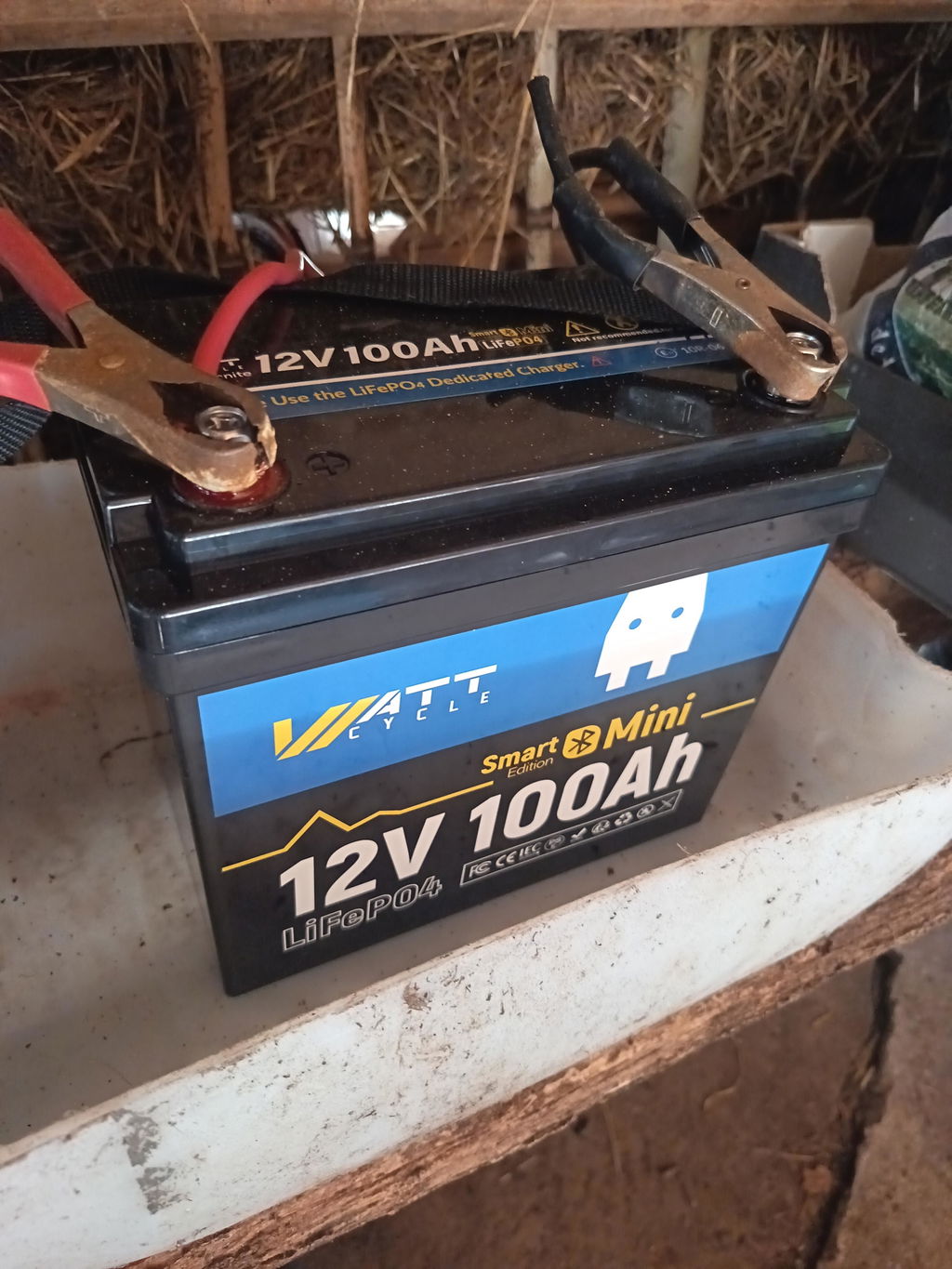
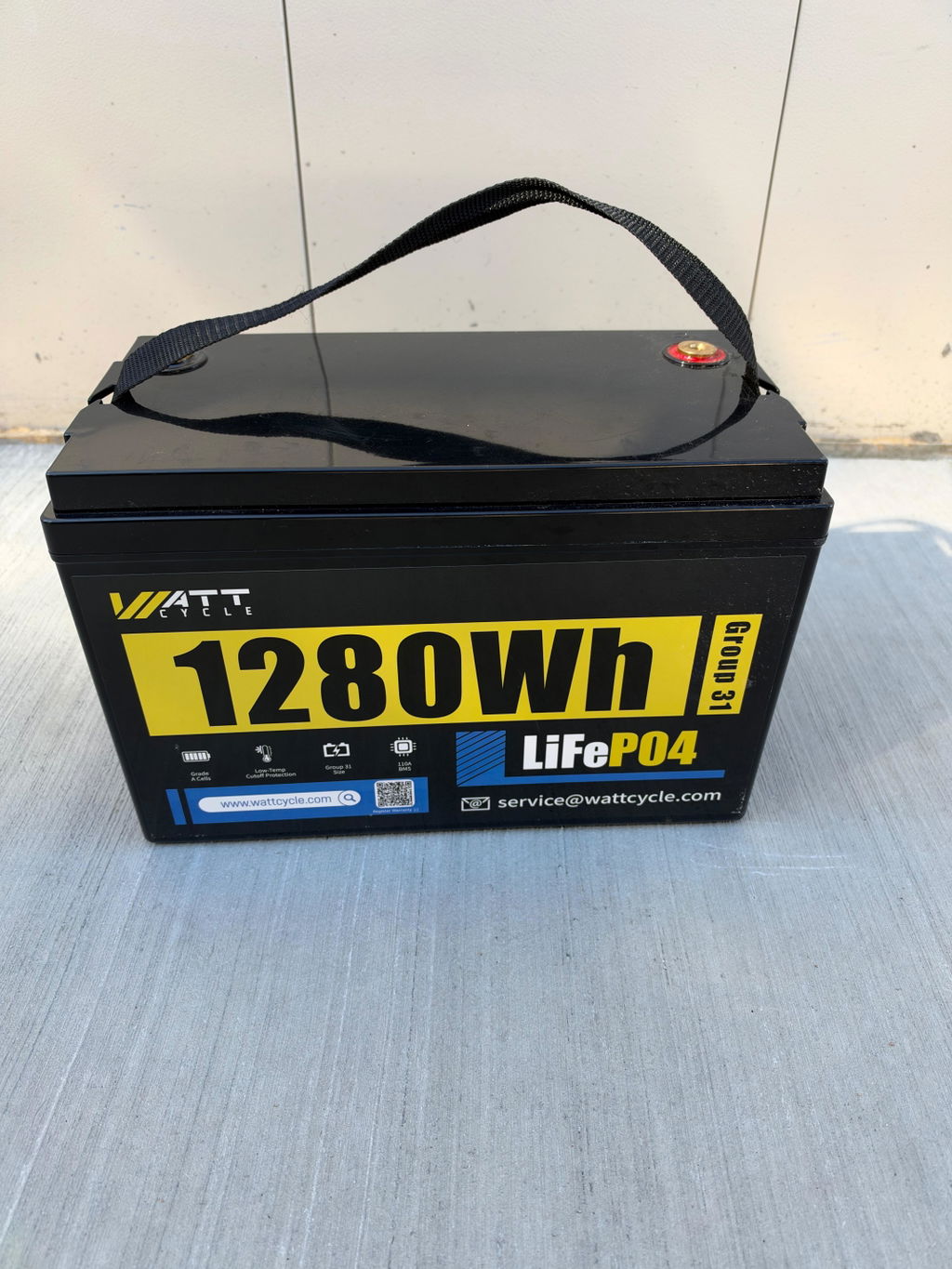
| WattCycle 12 V 100 Ah lakókocsi- és szabadidős akkumulátor Bluetooth-szal | Kompakt, ülés alatti kialakítás, DIN H8 L5 49-es csoport méret, lakóautók, Fiat Ducato, Citroen Jumper, Peugeot Boxer, Ford Transit átalakítások, hordozható energiaellátó rendszerek | 12V 100Ah, 1280W, 100A BMS, 27kg, Bluetooth felügyelet, ECE R10 tanúsítvánnyal |
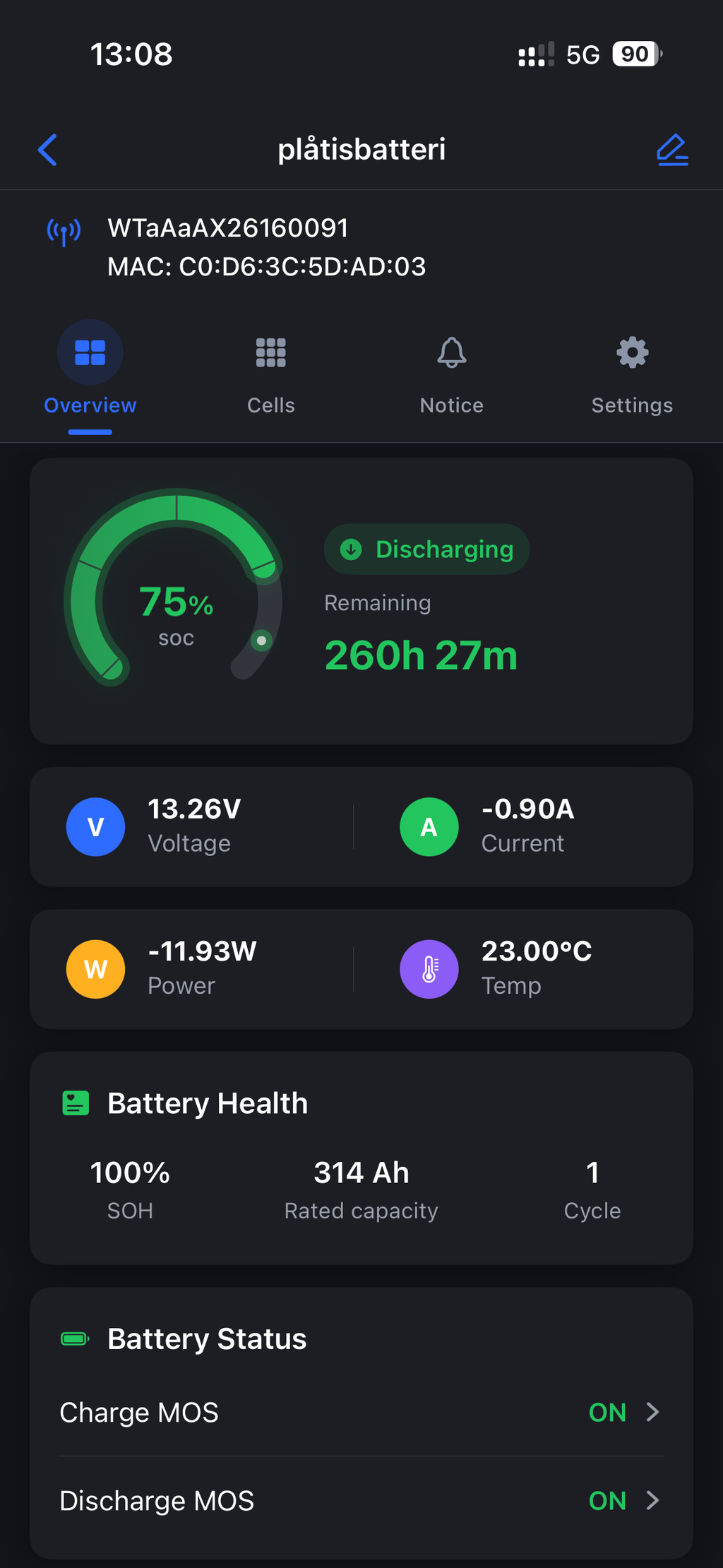
| WattCycle 12 V 314 Ah Mini intelligens LiFePO4 akkumulátor Bluetooth-szal | Lakókocsik, lakókocsik, hálózaton kívüli kempingezés, tengeri alkalmazások, nagy kapacitású mobil energiaellátó rendszerek | 12V 314Ah, 2560W, 200A BMS, 27kg, Bluetooth 5.0, ECE R10 tanúsítvánnyal |
| WattCycle 24V 314Ah Ultra LiFePO4 akkumulátor Bluetooth-szal | Napelemes rendszerek, hálózatról leválasztott kabinok, közepes és nagy lakóautók, jachtok, vitorlások, tartalék energiaellátó rendszerek | 25,6 V 314 Ah, 8038 Wh hasznos energia, 300 A BMS, 69,85 kg, Bluetooth, ECE R10 tanúsítvánnyal |
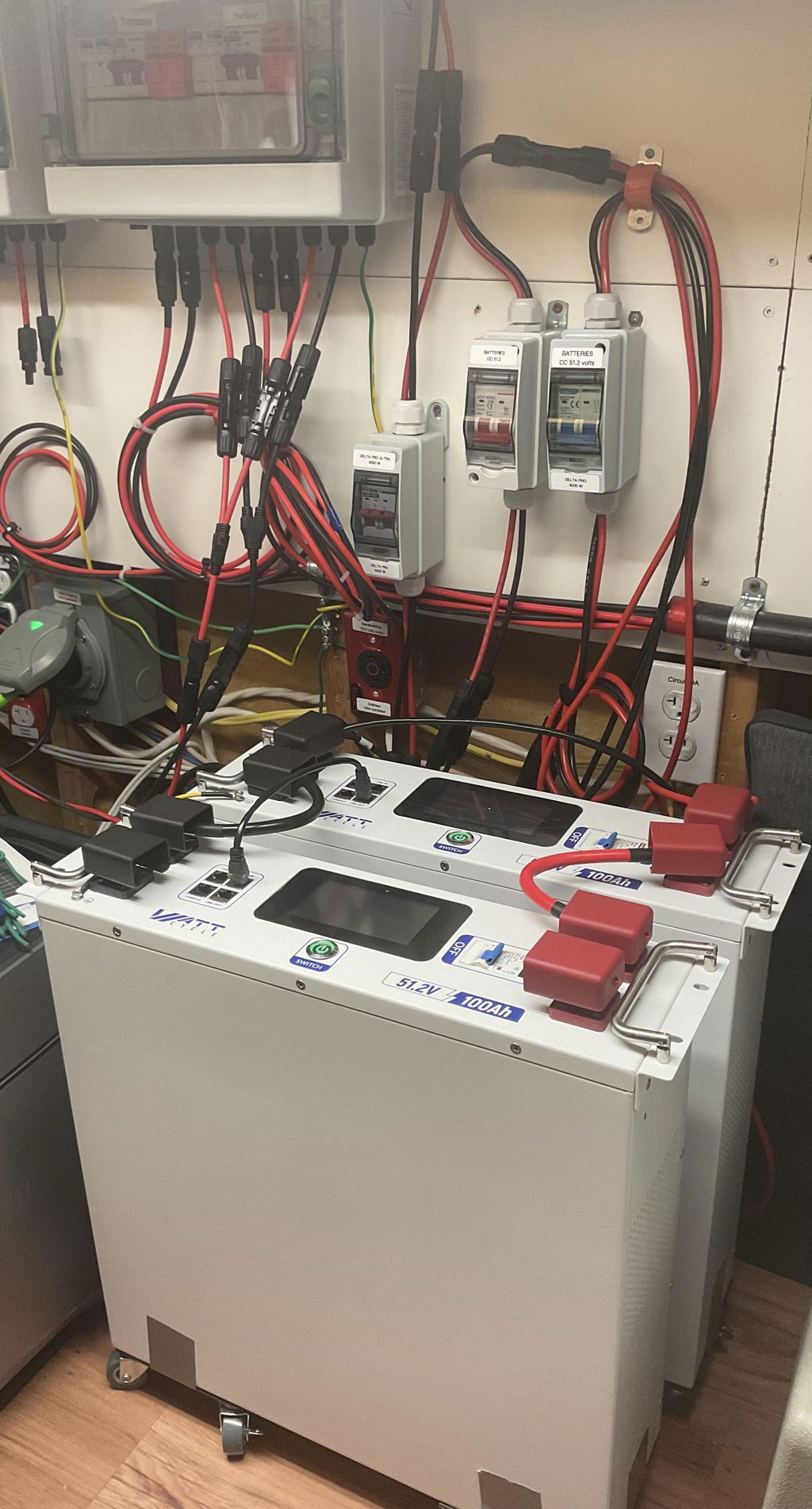
| WattCycle 48V 100Ah 3U szerver rack akkumulátor Bluetooth-szal | Lakóépületek napelemes tárolása, otthoni tartalék energiatárolás, kereskedelmi energiatárolás | 51,2 V 100 Ah, 20P1S támogatás a maximális 102,4 kWh energia eléréséhez, 100 A BMS, 41,7 kg, BYD akkumulátorcellák, érintőképernyős LCD kijelző, 3 A aktív egyensúly |
Melyik WattCycle akkumulátor a legmegfelelőbb az Ön igényeinek?
Általánosságban elmondható, hogy a 12 V-os akkumulátorok ideálisak lakókocsikhoz, lakóautókhoz és tengeri alkalmazásokhoz, míg a 24 V-os és 48 V-os rendszerek jobban megfelelnek nagyobb napelemes telepítésekhez, hálózaton kívüli faházakhoz és otthoni energiatároláshoz. A megfelelő feszültség és kapacitás kiválasztása segít maximalizálni a teljesítményt, miközben elkerüli a felesleges költségeket.

Nézze meg, hogyan teljesítenek a WattCycle akkumulátorok valós lakóautókban és lakókocsikban:
- Teljes munkaidős furgonos élet: WattCycle 12V 314Ah LiFePO4 akkumulátor teszt az SBC-től
- Intelligens monitorozás: Vásárlói vélemény: 12 V 280 Ah Mini LiFePO4 akkumulátor Bluetooth-szal
- Elektromos hálózat barkácsoláshoz: Gerold lakóautójának elektromos rendszere & LiFePO4 áttekintés
Gyakran ismételt kérdések a LiFePO4-ről
Megéri-e a LiFePO4 előnyei a magasabb költséget?
Igen. Bár a LiFePO4 akkumulátorok magasabb kezdeti költséggel járnak, hosszabb élettartamuk, nagyobb hatékonyságuk és minimális karbantartási igényük hosszú távon gyakran költséghatékonyabbá teszi őket. Ha lakossági energiatárolási projektet tervez, tekintse meg részletes útmutatónkat is a következő témában: otthoni akkumulátorköltségek megérteni a tipikus rendszerárakat és telepítési költségeket.
Biztonságosak a LiFePO4 akkumulátorok?
Igen. A LiFePO4 akkumulátorokat az egyik legbiztonságosabb lítium akkumulátor-kémiai anyagnak tartják. Vas-foszfát katódjuk kivételes termikus és kémiai stabilitást biztosít, jelentősen csökkentve a hőmegfutás kockázatát sok más lítium-ion akkumulátortípushoz képest.
Ezenkívül a legtöbb modern LiFePO4 akkumulátor akkumulátorkezelő rendszerrel (BMS) is rendelkezik, amely segít megvédeni a következőktől:
- Túltöltés
- Túlkisütés
- Rövidzárlatok
- Túláramállapotok
- Magas hőmérséklet
Ezek a biztonsági jellemzők alkalmassá teszik a LiFePO4 akkumulátorokat mind lakossági, mind mobil alkalmazásokhoz.
Jobb a LiFePO4, mint az ólom-savas akkumulátor?
A legtöbb alkalmazásban a LiFePO4 akkumulátorok hosszabb élettartamot, gyorsabb töltést, könnyebb súlyt és nagyobb hatékonyságot kínálnak, mint az ólomakkumulátorok.
Használhatók LiFePO4 akkumulátorok napelemes rendszerekben?
Igen. A LiFePO4 akkumulátorok a legnépszerűbb energiatárolási lehetőségek közé tartoznak lakossági és hálózaton kívüli napelemes rendszerek esetében.
Hány évig bírja egy LiFePO4 akkumulátor?
Egy minőségi LiFePO4 akkumulátor megfelelő karbantartás mellett gyakran 10-15 évig is eltarthat.
Szükséges-e karbantartást végezni a LiFePO4 akkumulátorokon?
Nagyon kevés. Az ólomakkumulátorokkal ellentétben a LiFePO4 akkumulátorok nem igényelnek rendszeres öntözést vagy kiterjedt karbantartást.


Comments
No comments yet. Be the first to share your thoughts.
Leave a Comment