


Подходящият размер на домашната батерия зависи главно от това колко електроенергия използва домакинството ви след залез слънце, какво искате да постигне батерията и дали може да се презарежда ефективно. За повечето домове, свързани към мрежата, потреблението на домакинствата е по-добра отправна точка от общото производство на слънчева енергия.
Първо проверете потреблението си на електроенергия вечер и през нощта. След това помислете дали целта ви е да увеличите собственото потребление на слънчева енергия, да избегнете периоди с висока цена на електроенергията или да поддържате основното захранване по време на прекъсване.
Какво определя правилния размер на батерията за дома?
Четири фактора имат най-голямо влияние върху размера на батерията:
- Консумация вечер и през нощта: Колко електричество използвате, когато слънчевите панели не произвеждат достатъчно енергия.
- Вашата енергийна цел: Собствено потребление на слънчева енергия, оптимизиране на тарифите, резервно захранване или комбинация от тях.
- Налична енергия за зареждане: Колко излишна слънчева електроенергия или евтина електроенергия от мрежата може да презареди батерията.
- Бъдещо търсене: Планирани електрически превозни средства, термопомпи, климатици или друго оборудване с висока консумация на енергия.
Размерът на домакинството може да даде приблизителна индикация, но данните за действителното потребление дават по-надежден резултат.
Трябва ли размерът на батерията да се основава на слънчевите панели или на употребата в домакинството?
За повечето домове започнете с потреблението на електроенергия в домакинствата.
Консумацията на енергия в домакинството ви определя колко съхранена енергия можете да използвате. Вашата слънчева система определя дали има достатъчно енергия за презареждане на батерията.
Например, една слънчева система може да генерира 25 kWh в ясен ден, но домакинството може да използва само 8 kWh между залез слънце и следващата сутрин. В този случай батерия с капацитет около 10 kWh може да е по-практична от система с капацитет 20 kWh, чийто допълнителен капацитет рядко се използва.
По-голяма батерия може да е оправдана, когато домът има висока вечерна консумация, термопомпа, редовно нощно зареждане на електромобили или по-дълги изисквания за резервно захранване.
Как да прецените правилния капацитет на батерията
- Проверете употребата си вечер и през нощта. Използвайте почасови данни от интелигентни измервателни уреди, където е възможно, вместо да разчитате само на общото дневно потребление.
- Решете какво трябва да покрива батерията. Това може да е вечерно ползване, скъпи тарифни периоди, пълна нощ или избрани резервни натоварвания.
- Осигурете марж на капацитет. Загубите от преобразуване и резервираният капацитет на батерията означават, че номиналният капацитет не винаги е напълно достъпен за домакинските уреди.
- Проверете източника на зареждане. Уверете се, че вашият период на излишък от слънчева енергия или ниска цена на мрежата може редовно да презарежда избрания капацитет.
За резервно захранване, изчислете потреблението на основните уреди поотделно. Хладилник, осветление, интернет рутер и управление на отоплението изискват много по-малко енергия, отколкото захранването на всеки уред в дома.
Кратко ръководство за размер на домашните батерии
| Потребление на електроенергия за покриване | Препоръчителен обхват на батерията | Типична употреба |
|---|---|---|
| Около 3–5 kWh | Приблизително 5 kWh | По-ниска вечерна употреба, основни домакински товари или модулна система за стартиране |
| Около 6–9 kWh | Приблизително 10 kWh | Повечето семейни домове се стремят да покрият потреблението им вечер и през нощта. |
| Около 10–14 kWh | Приблизително 15–16 kWh | По-висока консумация, термопомпи или по-дълги изисквания за резервно захранване |
| 15 kWh или повече | Приблизително 30 kWh или разширяема система | Високоенергийни домове, големи слънчеви системи или продължително резервно захранване |
Коя домашна батерия WattCycle отговаря на вашите нужди?
| Енергийна нужда | Решението WattCycle | Най-подходящ за |
|---|---|---|
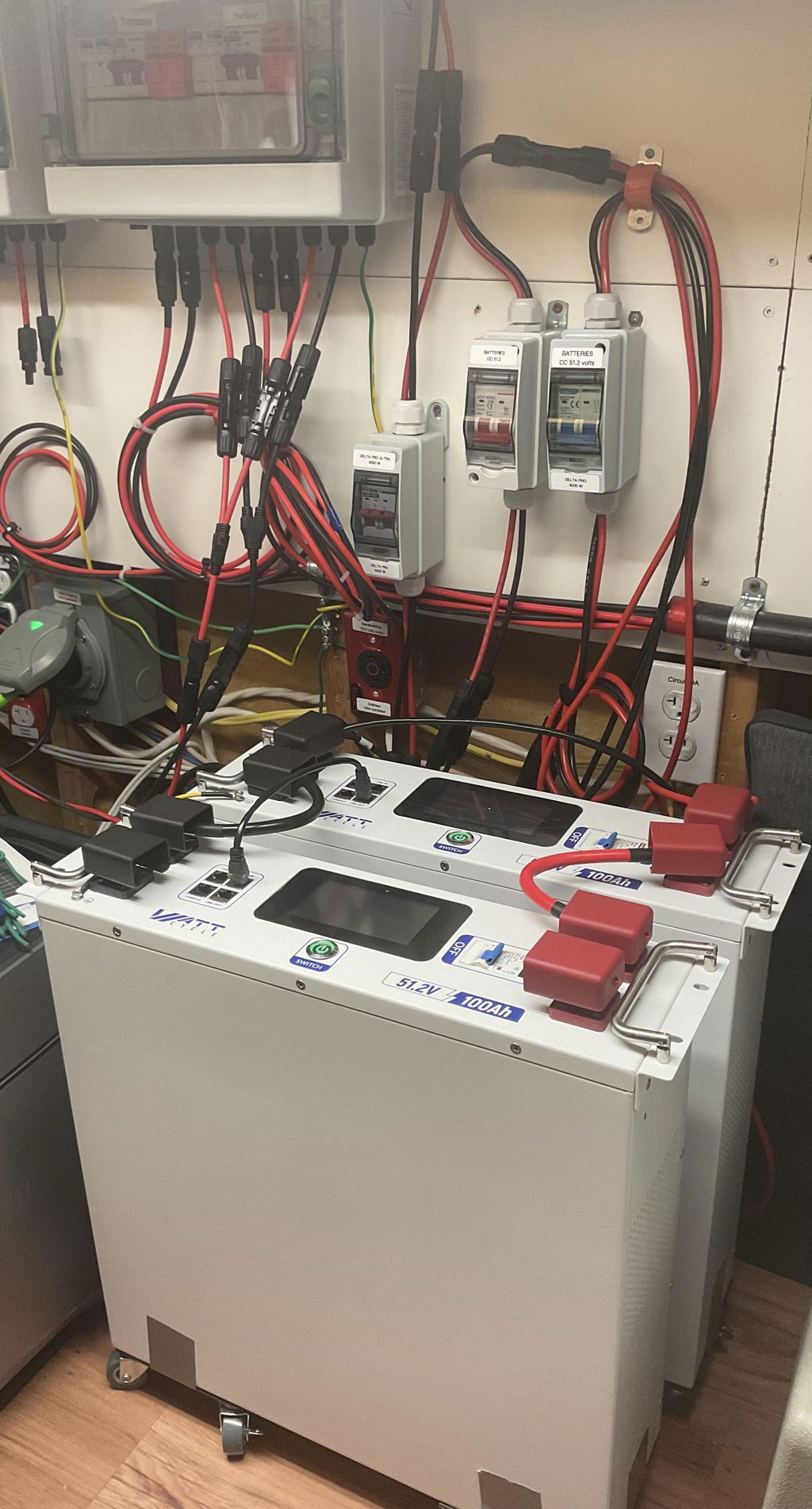
| Модулно съхранение с капацитет 5,12 kWh | Батерия за сървърен шкаф WattCycle 48V 100Ah 3U | Монтирани в стелаж „Направи си сам“ соларни, автономни или резервни системи, които могат да бъдат разширени по-късно |
| 5,12 kWh стенен акумулатор | Соларна батерия WattCycle 48V 100Ah | Жилищни инсталации, които изискват компактна стенна батерия |
| 10 kWh цялостна система | WattCycle PIONEER 2500W 10kWh система за домашна батерия | Домакинства, търсещи цялостно решение - батерия, инвертор и управление на енергията, свързани с променлив ток |
| 16,07 kWh висококапацитетно съхранение | Соларна батерия WattCycle 48V 314Ah LiFePO4 | Домове с по-високо потребление на електроенергия, термопомпи или по-дълги нужди от резервно захранване |
| 32,15 kWh разширено съхранение | WattCycle EXPLORE Стенна 48V 628Ah домашна батерия | Големи домове, висока дневна консумация и продължителни приложения за архивиране |
Двете батерии от 5,12 kWh осигуряват еднакъв капацитет за съхранение, но използват различни формати за монтаж. Батерията 3U е подходяща за модулни системи, монтирани в стелаж, докато моделът за стенен монтаж е проектиран за компактен монтаж в жилищни помещения.
10kWh WattCycle PIONEER е най-директният вариант за домакинства, които предпочитат цялостна система, свързана с променлив ток, вместо да комбинират отделна батерия и инвертор. Ако простотата на инсталиране е важна част от вашето решение, научете повече за това как... домашна батерия тип „plug-and-play“ работи и кога този тип система може да е подходяща. 16,07 kWh и 32.Батерии с капацитет 15 kWh са подходящи за по-висока консумация или по-дълги изисквания за резервно захранване.
По-голямата домашна батерия винаги ли е по-добра?
Не. Допълнителният капацитет създава стойност само когато се зарежда и използва редовно. Домове със слънчеви панели или динамични тарифи за електроенергия често имат повече възможности за икономично презареждане на батерията, което прави по-големите капацитети по-лесни за оправдаване.
Прекалено големият акумулатор може да увеличи първоначалните разходи и да удължи периода на възвръщаемост, като същевременно остане частично неизползван през по-голямата част от годината. Може също така да е трудно да се презареди през сезоните с ниско производство.
Батерия, която е близка до нормалната вечерна консумация, обикновено ще постигне по-висока дневна употреба. Когато бъдещата консумация е несигурна, разширяемата система може да бъде по-гъвкава от закупуването на най-големия капацитет веднага.
Капацитетът на батерията не е същият като мощността на батерията
Капацитет на батерията, измерен в kWh, показва колко енергия може да съхранява системата.
Мощност на батерията или инвертора, измерена в kW, показва колко електроенергия системата може да достави едновременно.
Батерия с капацитет 10 kWh може да съхранява достатъчно енергия за няколко часа, но нейният инвертор все пак трябва да поддържа комбинираната мощност на уредите, работещи едновременно. Фурна, термопомпа и електрически бойлер могат да създадат високо едновременно натоварване, дори когато общата им консумация на енергия се вписва в капацитета на батерията.
Сравнете капацитета за съхранение и непрекъснатата изходна мощност, преди да изберете система.
Често задавани въпроси
Достатъчна ли е домашна батерия от 5 kWh?
Батерия от 5 kWh може да е достатъчна, когато вечерното потребление е ниско или основната цел е да се съхранява ограничено количество излишна слънчева енергия. Проверете почасовото си потребление, преди да вземете решение.
Достатъчна ли е батерия от 10 kWh за средностатистическо семейство?
Батерия от 10 kWh може да покрие голяма част от вечерното и нощното потребление за много домакинства. Домовете с електрическо отопление, термопомпи или нощно зареждане на електрически превозни средства може да се нуждаят от по-голям капацитет.
Трябва ли капацитетът на батерията да съответства на дневното производство на слънчева енергия?
Не. Започнете с количеството домакинско потребление, което искате батерията да покрие. След това се уверете, че слънчевата система има достатъчно излишно производство, за да я презареди.
Мога ли да разширя батерията по-късно?
Разширяването зависи от батерийната система, съвместимостта с инвертора и изискванията на производителя. Модулната система може да бъде полезна, когато се очаква бъдещо търсене на електроенергия да се увеличи.
Може ли домашна батерия да захранва цялата къща по време на прекъсване на електрозахранването?
Това зависи от капацитета на батерията, изхода на инвертора, конфигурацията на резервното захранване и уредите, работещи едновременно. Някои системи поддържат избрани основни товари, а не всяка домашна верига.
По-голямата батерия винаги ли спестява повече пари?
Не. Спестяванията зависят от това колко често се използва допълнителният капацитет, местните цени на електроенергията, компенсацията за износ, загубите от зареждане и първоначалната системна цена.
Заключение
Изберете домашна батерия, първо въз основа на потреблението на електроенергия, което искате да покриете, особено вечерното, нощното и скъпото потребление в рамките на тарифните периоди. След това проверете дали батерията може да се презарежда редовно и дали нейният инвертор може да поддържа необходимите ви товари.
Най-добрата батерия не е автоматично най-голямата. Това е системата, която отговаря на вашата действителна консумация, енергийна цел и бъдещи планове, без да оставя ненужно неизползван капацитет.


Comments
No comments yet. Be the first to share your thoughts.
Leave a Comment