


How much does a home battery cost in Europe? For most households, the total investment ranges from €3,000 to €18,000+. The final price depends on battery size, installation costs, and whether the system is combined with solar panels.
Some homeowners install batteries to store excess solar energy, while others use them to charge from the grid when electricity prices are lower. Before choosing a system, it's important to understand how battery capacity, system design, and installation requirements affect the overall cost.
This guide explains everything you need to know before investing in home battery storage.
How Much Does a Home Battery Cost in Europe?
The cost of a home battery system depends primarily on storage capacity, installation requirements, and whether the battery is connected to a solar system.
| Battery Capacity | Battery Only Price | Typical Installed Cost |
|---|---|---|
| 5 kWh | €1,000 – €1,500 | €3,000 – €6,000 |
| 10 kWh | €1,900 – €3,500 | €5,000 – €10,000 |
| 15 kWh | €2,800 – €5,000 | €7,000–€13,000 |
| 20 kWh | €3,800 – €7,000 | €10,000–€18,000+ |
The battery itself is often only part of the total investment. Inverter requirements, electrical components, monitoring systems, and installation costs can significantly increase the final project cost.
Example Cost Breakdown for a 10 kWh System
A typical 10 kWh residential battery installation may include the following costs:
| Component | Example Configuration | Estimated Cost |
|---|---|---|
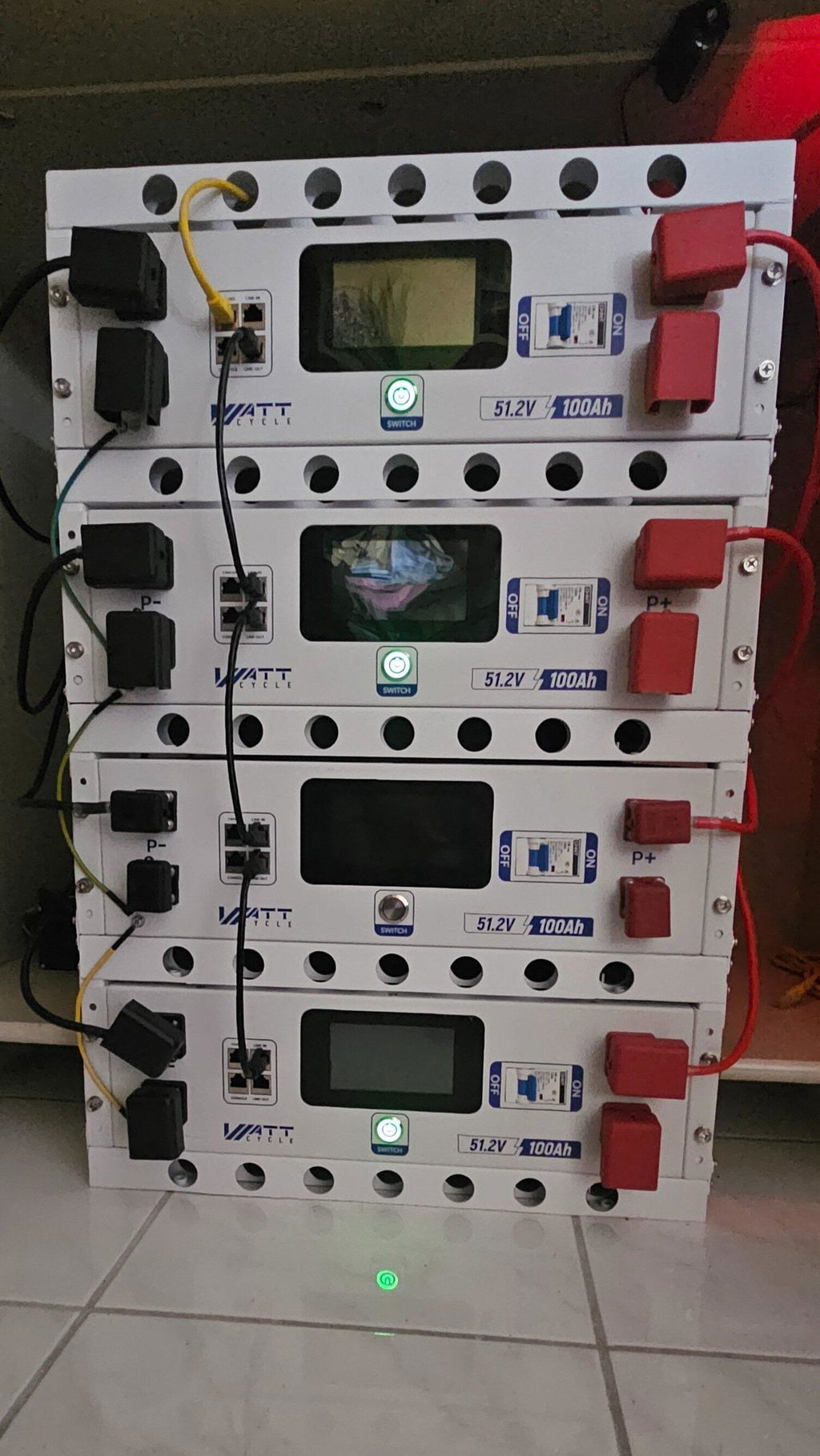
| LiFePO4 Battery Storage | 2 × WattCycle NextGen 51.2V 100Ah Rack Batteries (10.24 kWh) | €1,939 |
| Hybrid Inverter | 8–10 kW Hybrid Inverter | €1,200–€2,500 |
| Electrical Components | Breakers, Fuses, Isolators, Cables | €300–€800 |
| Energy Monitoring System | App-Based Monitoring | Included or €0–€200 |
| Professional Installation | Electrician & System Configuration | €800–€2,000 |
| Total Estimated Cost | Complete System | €4,200–€7,400 |
* Prices are based on publicly available European market prices. Inverter, electrical components, and installation costs are estimated using comparable products and service rates commonly available through European retailers and installers.
For homeowners who already have a compatible hybrid inverter installed, the total upgrade cost may be significantly lower.
Home Battery System Configurations in Europe
Not every home battery installation looks the same. Today, European homeowners generally choose between two main approaches depending on their property, electricity tariff, and renewable energy goals.
Choosing the Right Battery Capacity
Most European households choose battery systems between 5 kWh and 20 kWh. As a general guideline:
Not sure which capacity is right for your household? Our guide What Size Home Battery Do I Need? explains how to choose the right battery size based on your daily electricity consumption, solar production and future energy needs.
- 5 kWh 1 × WattCycle NextGen 48V 100Ah = 5.12 kWh Is often sufficient for apartments, small homes, and households with relatively low electricity consumption.
- 10 kWh 2 Batteries = 10.24 kWh Is the most common choice for average family homes and solar systems between 4 kW and 8 kW.
- 15 kWh 3 Batteries = 15.36 kWh Is typically recommended for larger households with higher daily electricity usage.
- 20 kWh or more 4 Batteries = 20.48 kWh Is often suitable for homes with electric vehicles, heat pumps, or homeowners seeking greater energy independence.

Many homeowners prefer modular LiFePO4 battery systems because they can expand capacity over time without replacing existing equipment. For example:
This approach allows homeowners to start with a smaller investment and expand storage capacity later if their energy needs increase.
Option 1: Battery Charged from the Grid
A battery can be installed without solar panels and charged directly from the electricity grid. The battery stores electricity when prices are lower and supplies power when electricity prices rise.
Required equipment:
- LiFePO4 battery
- Battery inverter
- Energy monitoring system
- Optional battery rack or cabinet
- (Solar panels are not required)
This setup is often chosen by:
- Apartment owners
- Homes without suitable roof space
- Households using dynamic electricity tariffs
- Homeowners looking to reduce peak electricity costs
Typical investment: €3,000–€10,000 depending on battery capacity.
Grid-charged battery systems are most effective when electricity prices vary throughout the day. If you're new to this pricing model, our guide on what a dynamic electricity tariff is explains how dynamic pricing works, who can benefit, and why it pairs so well with home battery storage.
Option 2: Solar Panels with Battery Storage
This is currently the most common residential energy storage setup in Europe. Solar panels generate electricity during the day, and excess energy is stored in the battery for use during the evening or during periods of lower solar production.
Required equipment:
- Solar panels
- LiFePO4 battery
- Hybrid inverter
- Energy monitoring system
- Optional battery rack or cabinet
This setup is often chosen by:
- Homeowners with photovoltaic systems
- Families looking to increase self-consumption
- Households seeking greater energy independence
- Users planning long-term electricity savings
Typical investment: €8,000–€25,000+ depending on solar array size and battery capacity.
Do You Need a Professional Installer for a Home Battery?
For first-time battery installations, professional installation is usually recommended. While experienced DIY users may install some off-grid battery systems, grid-connected systems often require electrical work that should be completed by qualified professionals.
A professional installer can assist with:
- Battery sizing
- Electrical wiring
- Inverter configuration
- Grid compliance requirements
- Safety inspections
Professional installation helps ensure the system operates safely, efficiently, and in accordance with local regulations.
If your goal is simply to add battery storage to an existing home energy or balcony solar system without a complex installation, it's worth considering a plug-and-play home battery. These systems are designed to make expanding your energy storage much easier than traditional residential battery installations.
Is a Home Battery Worth It in Europe?
For many European homeowners, battery storage can increase energy independence while reducing electricity costs. The financial return depends on electricity prices, solar generation, battery capacity, household consumption, installation costs, and available incentives.
Several independent organizations and consumer associations across Europe have tested home battery systems under real-world conditions. Their findings generally show that battery storage can increase solar self-consumption and reduce reliance on the electricity grid, although results vary between households.
If you're interested in real-world performance data and practical examples, you can also explore detailed home battery case from Eigenhuis in Nederland.
Typical Home Battery Payback Period in Europe:
- High Electricity Prices + Solar Panels: 6–8 Years
- Average Electricity Prices + Solar Panels: 8–12 Years
- Battery Charged from Grid Only: 10–15 Years
While payback periods vary, many homeowners view battery storage as a long-term investment that helps make better use of renewable energy while reducing dependence on future electricity price increases.
Advantages and Disadvantages of Home Batteries
✅ Advantages
- Higher solar self-consumption
- Lower grid dependence
- Backup power capability
- Better use of dynamic electricity tariffs
❌ Disadvantages
- High upfront investment
- Long payback period in some countries
- Savings depend on electricity prices
- Battery capacity decreases over time
Frequently Asked Questions
Q: Can I install a home battery without solar panels?
A: Yes. Many battery systems can charge directly from the grid and take advantage of lower off-peak electricity rates.
Q: How long do LiFePO4 home batteries last?
A: Most high-quality LiFePO4 batteries are rated for more than 6,000 charge cycles, often providing well over ten years of residential use.
Q: Can I add a battery to an existing solar system?
A: Yes. Battery storage can often be added to an existing photovoltaic installation.
Q: What size home battery do I need?
A: The ideal battery size depends on daily electricity consumption, solar production, and backup power requirements.
Q: Can a home battery provide backup power during an outage?
A: Some systems can provide backup power during grid outages, although this depends on the inverter and overall system design.


Comments
No comments yet. Be the first to share your thoughts.
Leave a Comment