Winter-ready energy for the places you still want to go

Cold weather changes how a LiFePO4 battery should be charged. When cell temperature is too low, charging must pause to protect the cells.

A self-heating lithium battery adds an active solution: when the required charging conditions are met, its integrated heater warms the cells before charging proceeds.

Cold Weather & Self-Heating LiFePO4 Batteries

Which WattCycle self-heating battery is right for you?

    Why cold weather changes LiFePO4 charging

      How a self-heating lithium battery works

      A lithium battery with a heater coordinates the charger, BMS, temperature sensors and internal heating module. When the battery temperature falls below 0°C and a charging source is connected, the heating system automatically warms the cells before normal charging begins. Once the battery temperature rises above approximately 5°C, charging can resume.

        Low-temperature protection vs self-heating

        Low-temperature protection

        What it does: stops charging when the battery is below its permitted charging temperature (usually 0℃).

        Best for: systems where the battery is normally kept warm or cold charging is occasional and can wait.

        Important: BMS protection does not warm the battery. Charging resumes only after conditions return to the model’s permitted range.

        All WattCycle Batteries have low-temperature protection.

        Low-temperature protection

        Self-heating - Active winter solution

        What it does: uses an integrated heating module to warm the cells when the model’s activation conditions are met.

        Working conditions: when the LiFePO4 charger connects to the self-heating battery, the heater will be active to heat the cells and then charge the battery.

        Best for: regular winter touring, unheated compartments, cold marine storage and remote solar systems.

        Important: the heater requires the correct charging input and operates according to the model-specific BMS logic.

        Self-heating - Active winter solution

        How cold is your real-world installation?

          Frequently Asked Questions

          Yes, but charging and discharging limits are not the same. A compatible LiFePO4 battery can often discharge below freezing, while charging may be restricted at a higher temperature. Always follow the exact operating ranges and BMS behaviour listed for your model.

          It is a LiFePO4 battery with an integrated heating module, temperature sensing and BMS control. When the model’s required trigger conditions are met, incoming charging power warms the cells before normal charging proceeds.

          No. Low-temperature protection stops charging when the cells are too cold. Self-heating actively warms the cells so charging can proceed once the approved temperature range is reached.

          WattCycle self-heating operation depends on charger connection and it almost does not use the energy stored in the battery.

          For supported models, heating is automatically managed by the BMS when the required temperature and charging-input conditions are met.

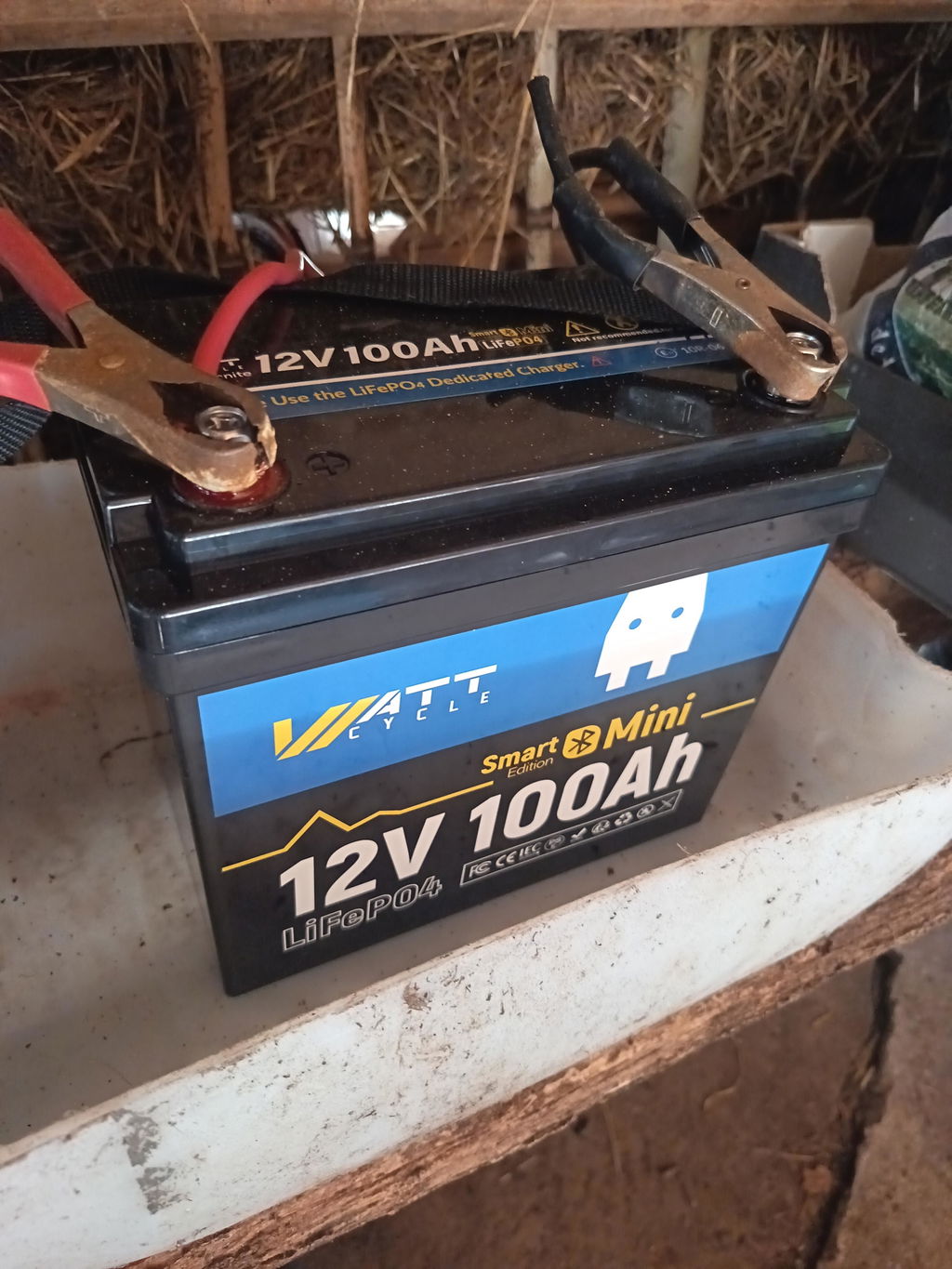
          Choose primarily by available space and required output. The Mini has a compact general-purpose shape and 200A BMS. The H190 is lower in height, uses a metal case and has a 250A BMS. Measure the compartment and confirm ventilation, mounting, cables, charger and inverter compatibility.

          Potentially, provided the solar charge controller is configured for the battery and can supply suitable charging input for both heating and charging. System performance depends on available winter solar power, charger settings and the battery’s approved specifications.

          Thoughtful insulation can reduce heat loss, but it must not compromise ventilation, access, mounting, clearances or permitted operating temperatures. Follow the installation manual and do not enclose the battery in a way that can trap excessive heat.