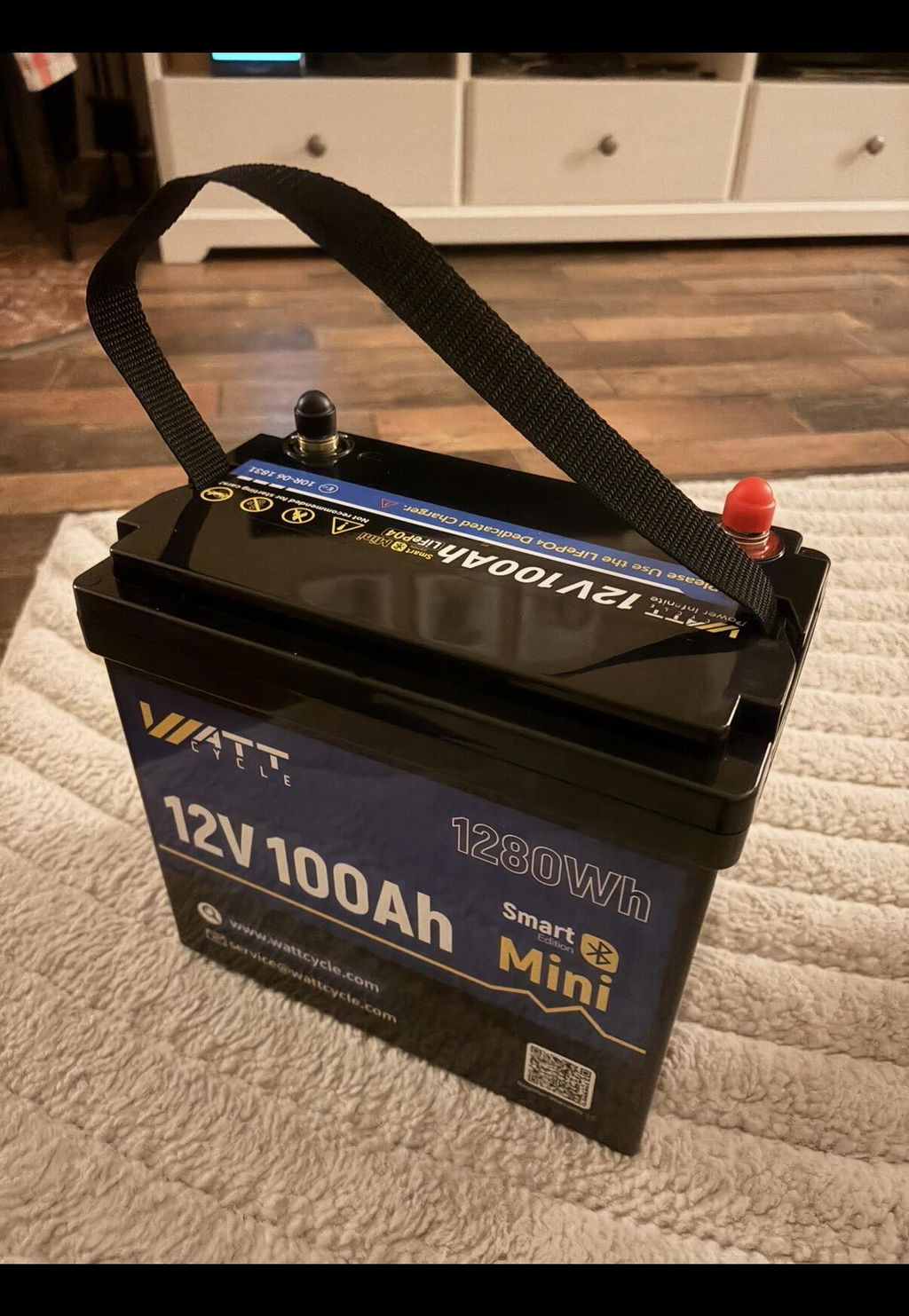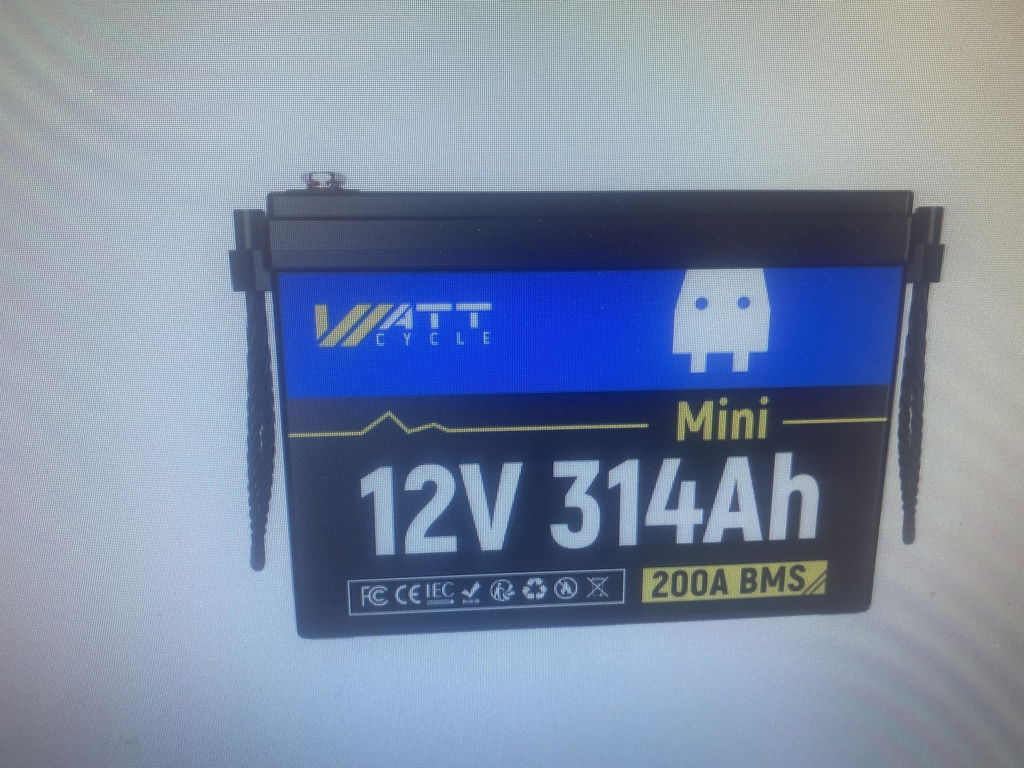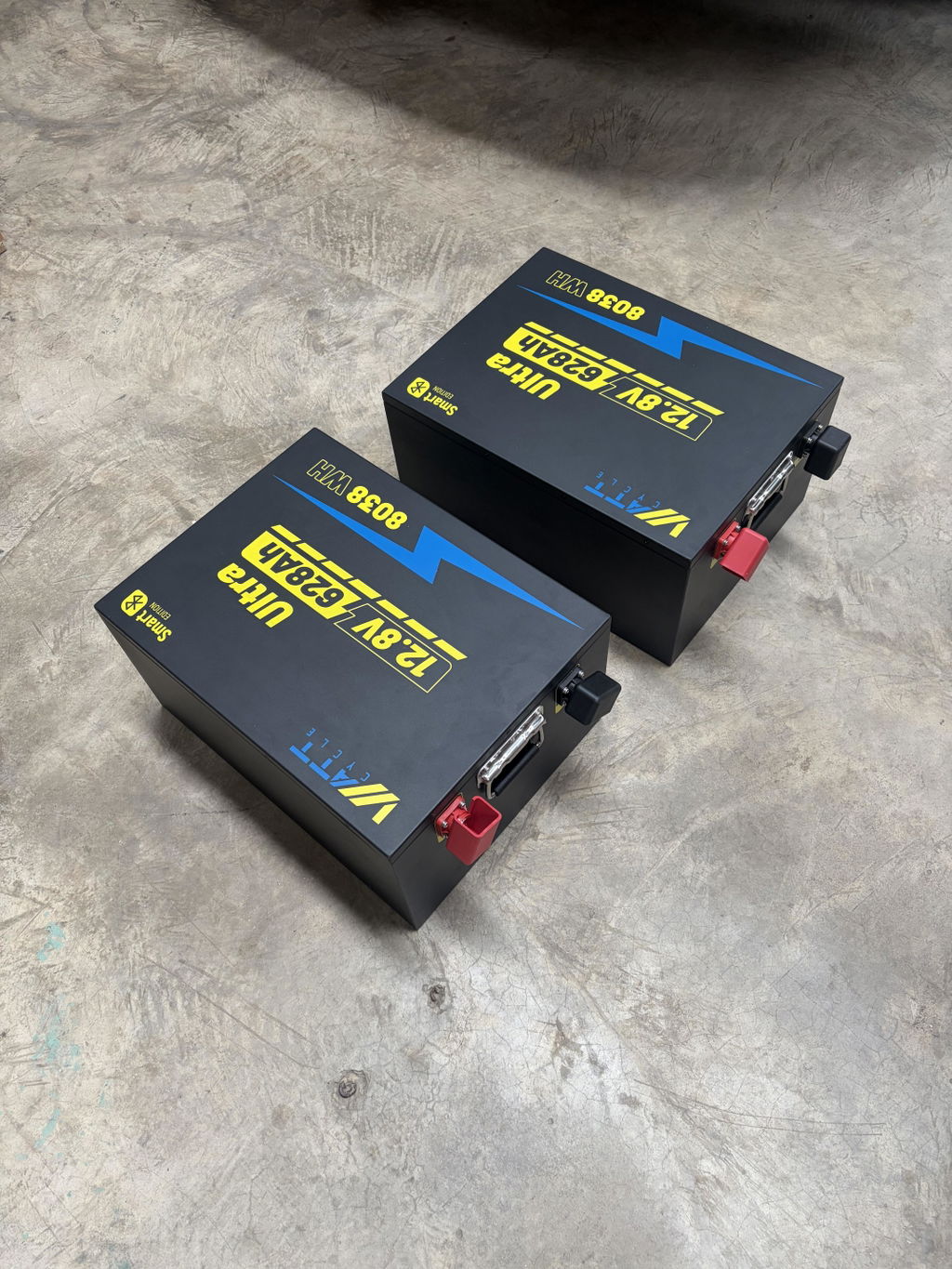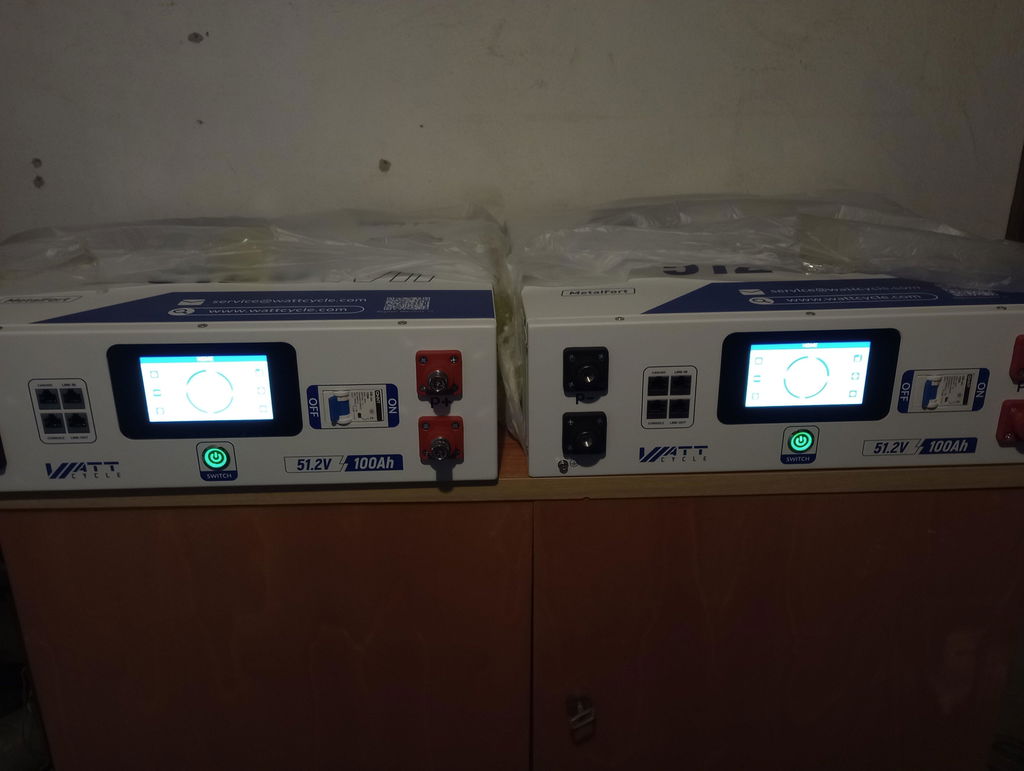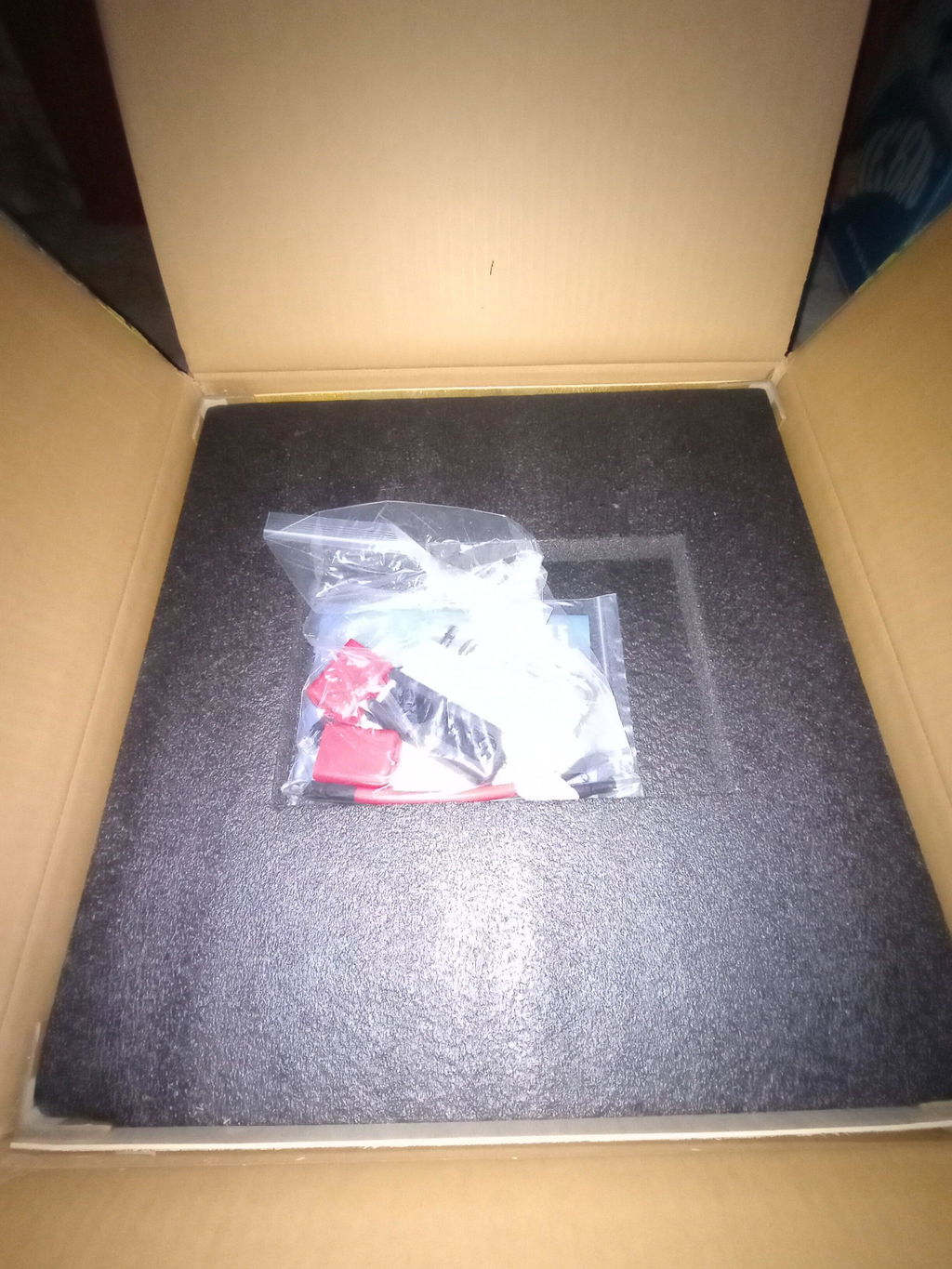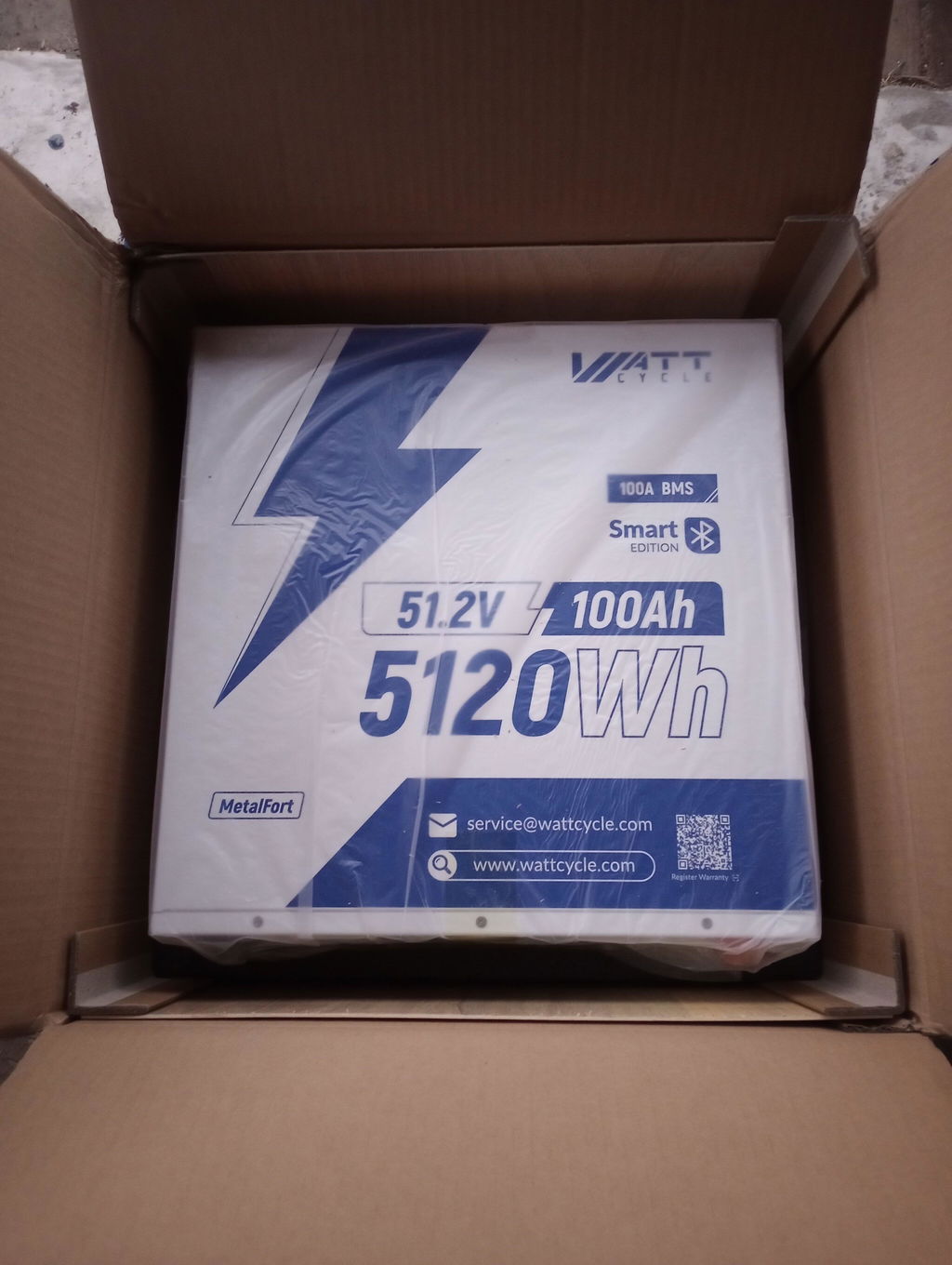
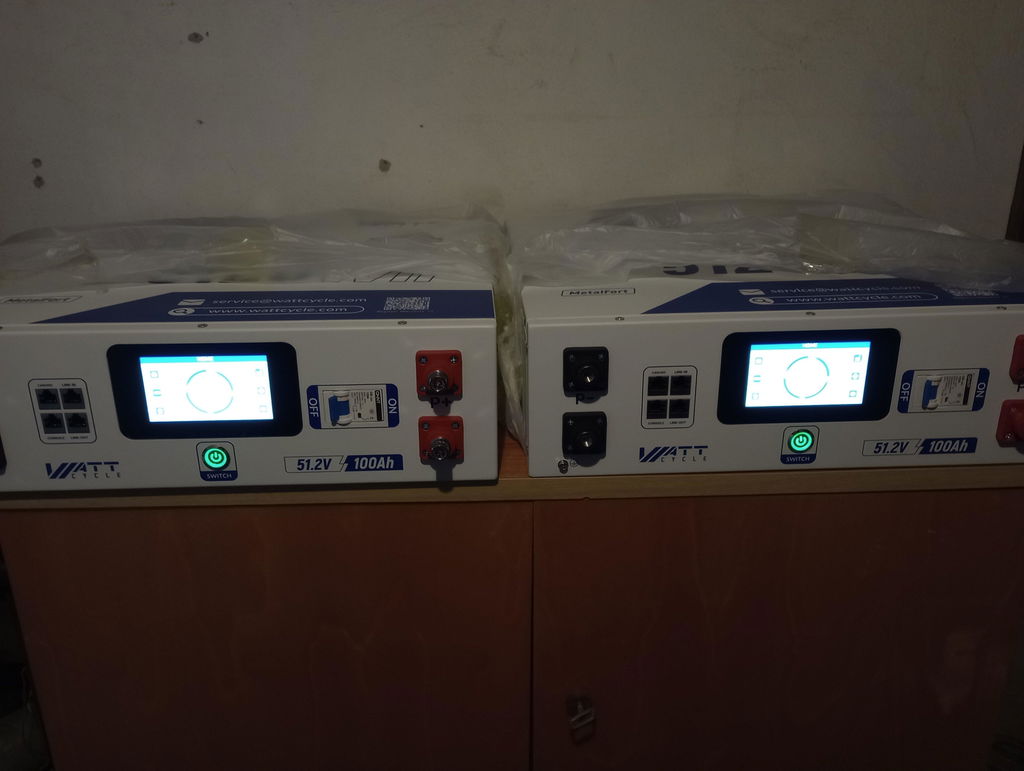
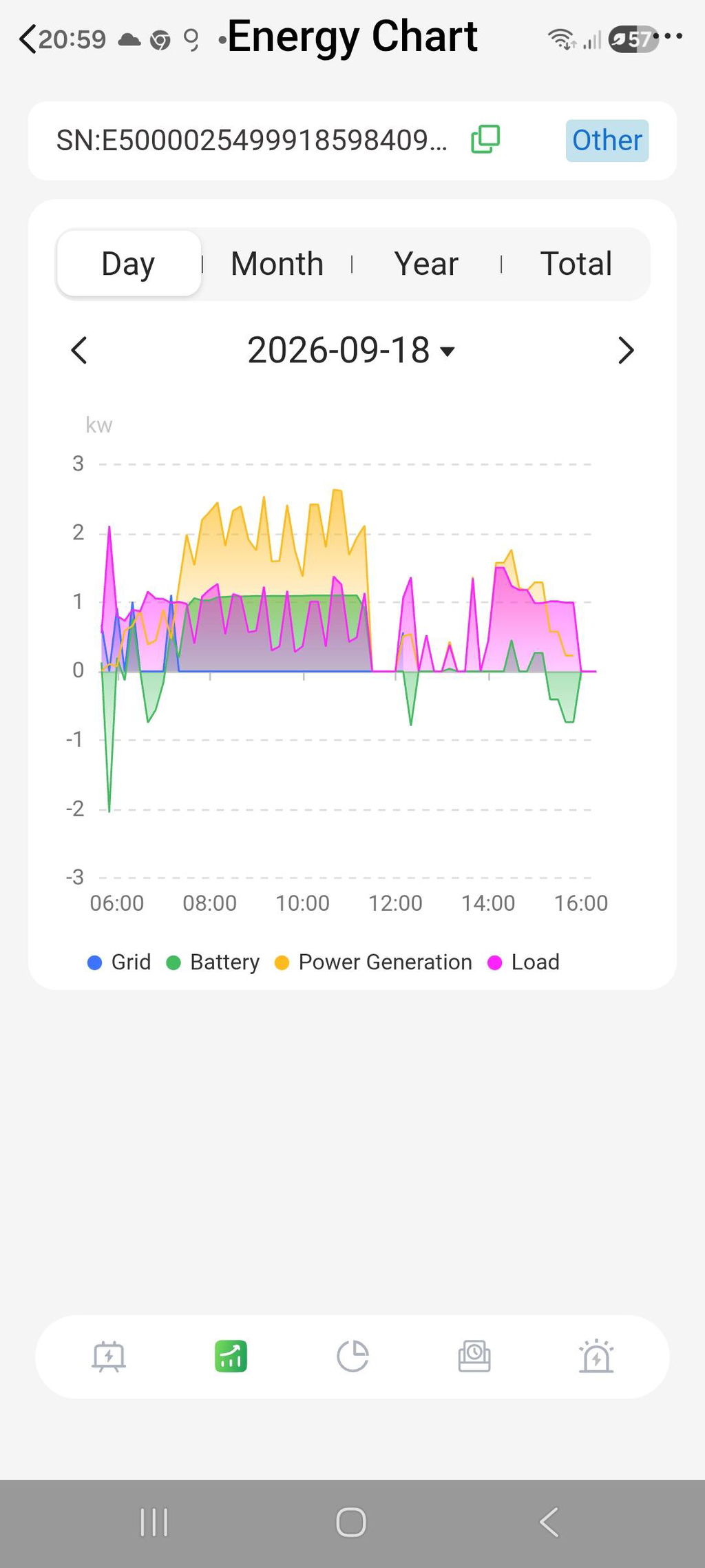
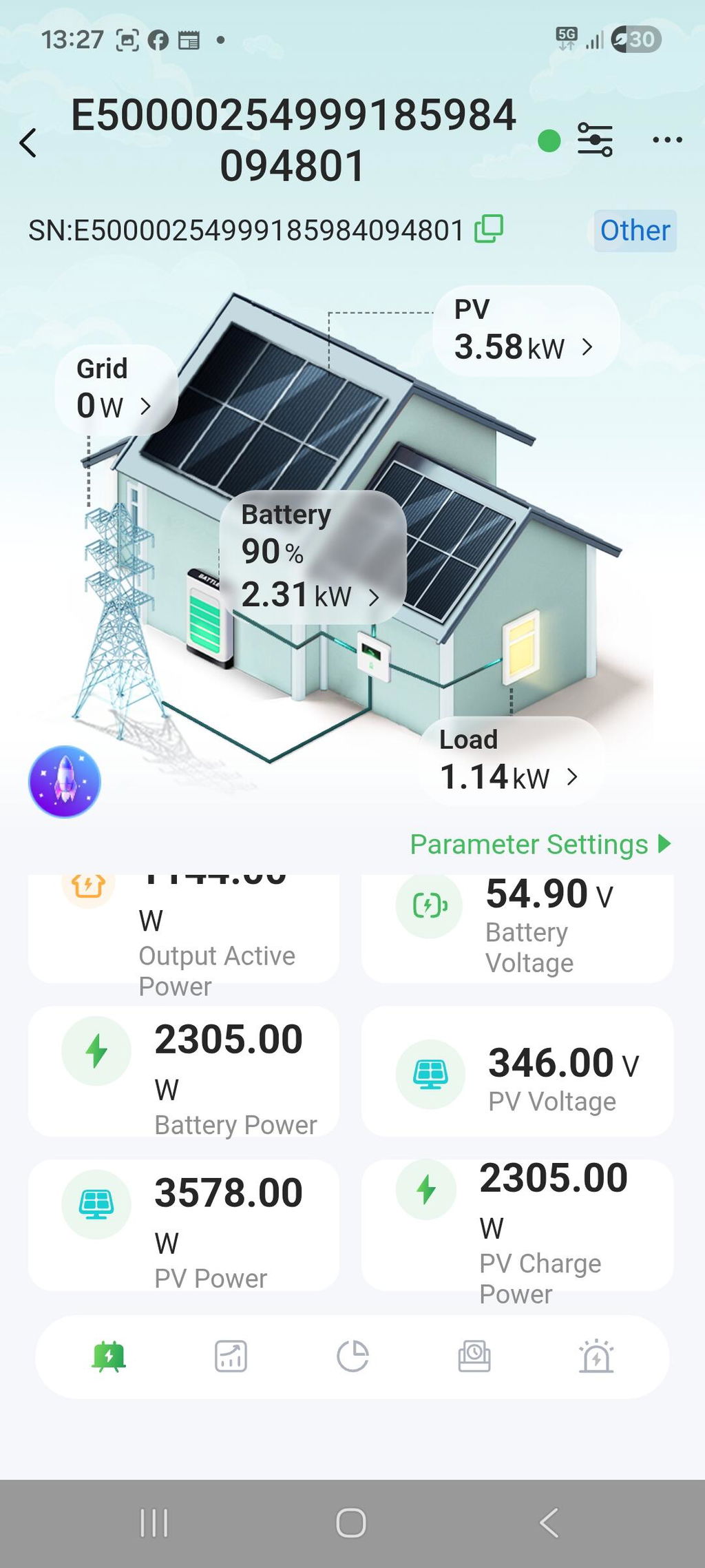
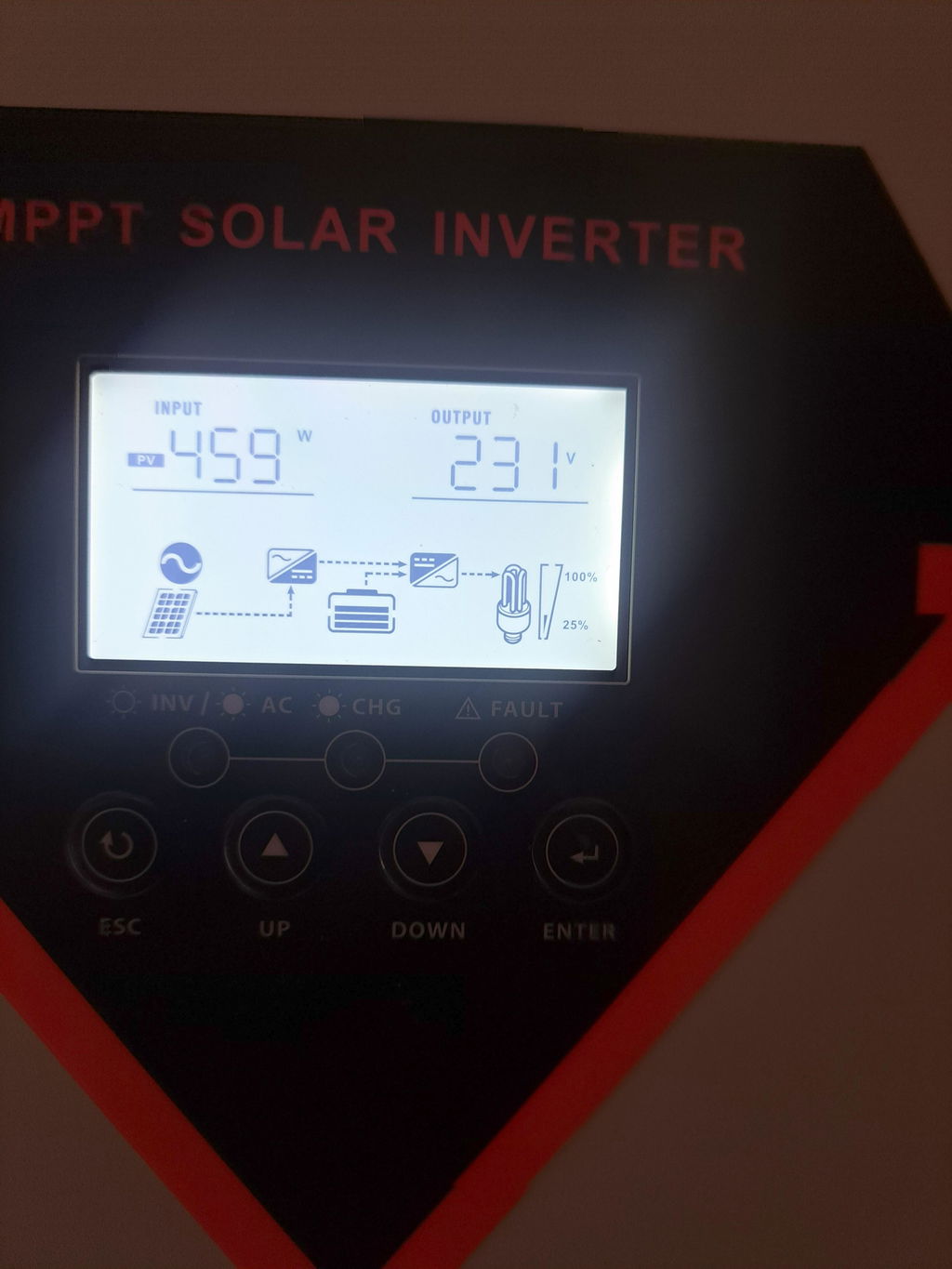
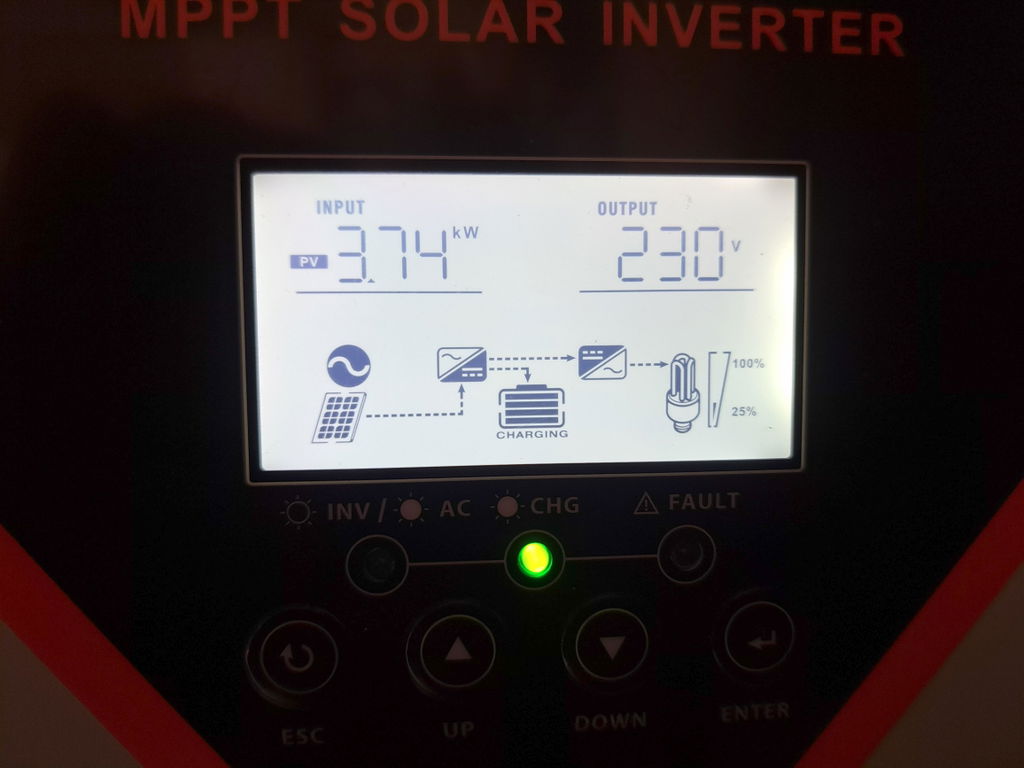
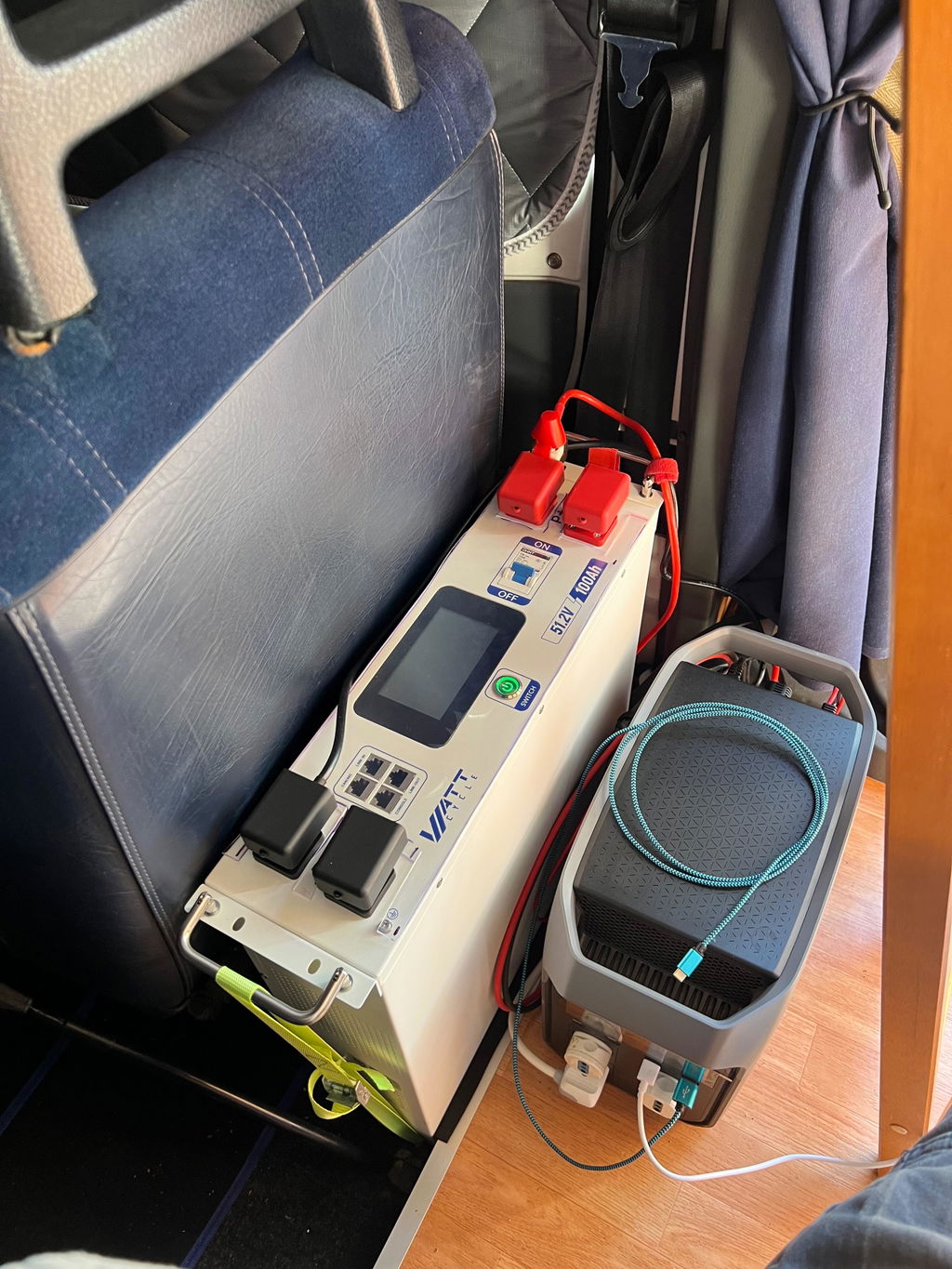
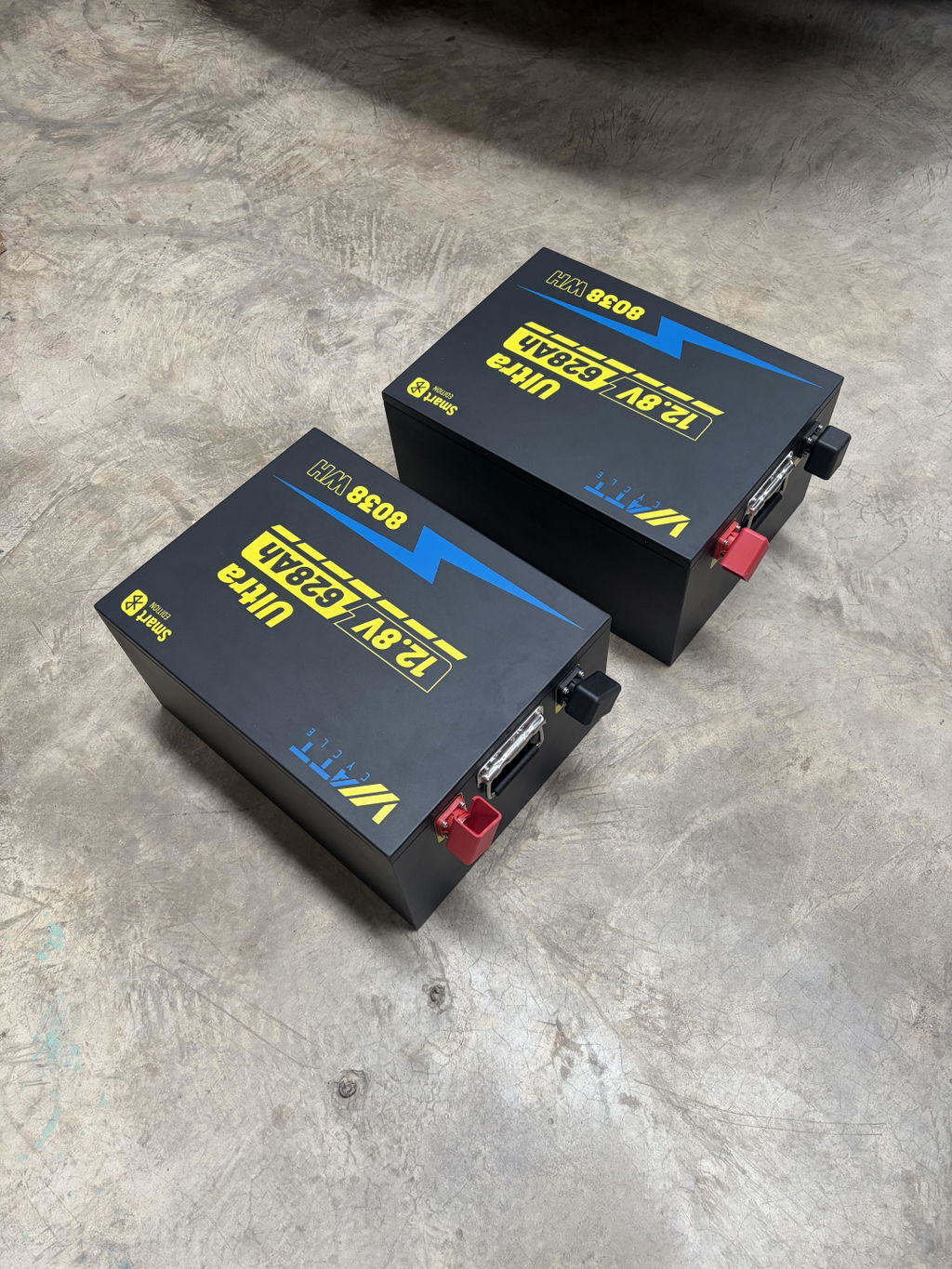
Producto de mucha calidad y que llegó en perfecto estado, las 2 baterías compradas estaban impecablemente embaladas, estoy esperando que un técnico las instale el próximo día 18 después podré seguir opinando de su funcionamiento
-
Free & Local Shipping
-
VAT Included
-
5+5 Years Warranty
-
24/7 Customer Support
WattCycle 48V 100Ah Wall-mounted Solar Battery with Active Balance & Bluetooth
The integrated 3A active balancing system continuously optimises each cell, improving overall efficiency and extending lifespan.
A 100A intelligent BMS provides comprehensive protection, ensuring safe operation under varying loads and environmental conditions. The optimised internal structure and thermal design enhance heat dissipation and long-term stability.
With 6000+ cycles, smart monitoring, and full inverter compatibility, this battery delivers a dependable solution for your solar energy system.
✔ Higher-performance EV Grade A Cells
✔ L398 x W200 x H625 mm, 47.50kg
✔ 3A active balance provides faster multi-channel equalization efficiency, reduces energy loss, and maximizes battery life
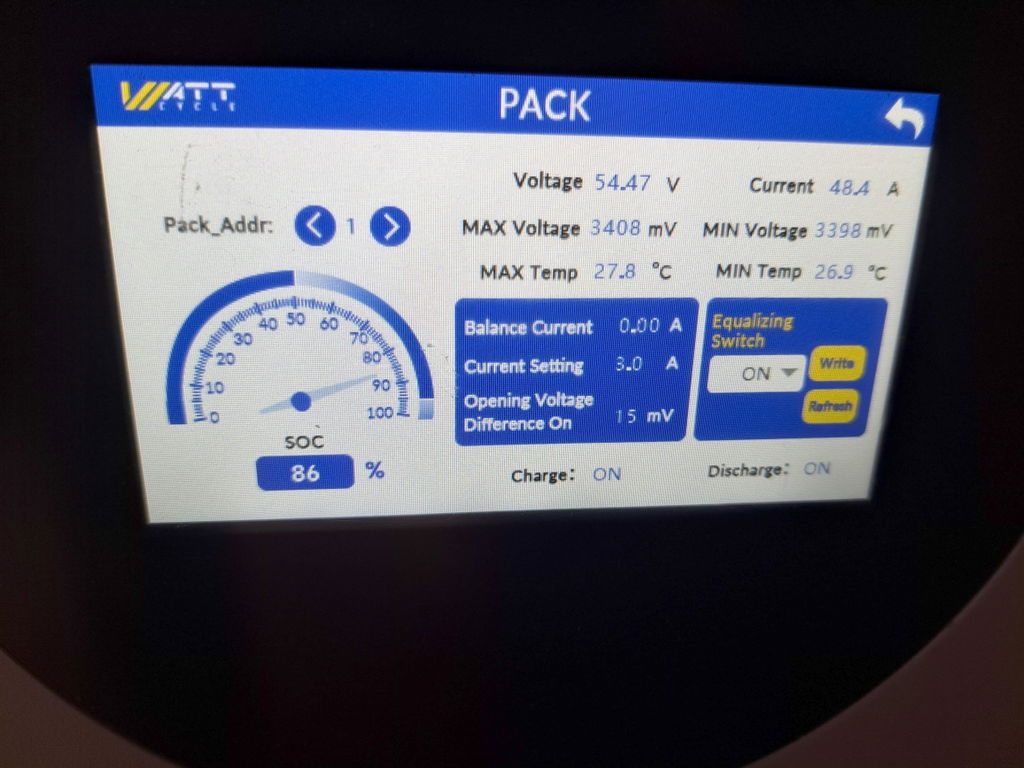
✔ Touchable LCD screen to help you monitor and check the battery in real-time
✔ Triple communication mode: CAN/RS232/RS485 monitoring
✔ 100A BMS, 100A Max. Cont. Dis-/Charge Current
✔ LED light trip capacity display
✔ Dual terminal design for high current
✔ Real-time monitoring via WattCycle App
✔ Supports 20P to achieve Max. 102,4 kWh energy
7% Discount on Accessories - Can be combined with 6BFCM
48V Expansion Cable for EcoFlow Delta 2/3
48V Expansion Cable for BLUETTI
48V 100Ah Parallel Cable
48V 15A Charger
-
Free & Local Shipping
-
VAT Included
-
5+5 Years Warranty
-
24/7 Customer Support
5.12kWh Storage in a Space-Efficient Wall-Mounted Design
At 398 × 200 × 625mm, the WattCycle 5.12kWh home battery uses vertical wall space to keep residential solar storage compact and accessible.
100A BMS with Multi-Layer Battery Protection
The battery management system monitors current, voltage and temperature operating limits, helping protect the battery against conditions including overcharge, over-discharge, excessive current and temperature extremes.
3A Active Balancing for More Consistent Cell Performance
Active balancing redistributes energy between cells to reduce voltage imbalance and help prevent individual cells from reaching operating limits prematurely. This increases the battery's discharge energy by 200% and extends its lifespan by 150%.
Check Battery Status Directly on the LCD Touchscreen
Check via Bluetooth, Fast & Conveniently
Check the state of charge and available battery information from your phone, giving you another way to monitor the battery alongside the inverter and local display. Binding your battery (password protection) to your WattCycle account can prevent strangers from operating your battery.
5.12kWh Energy for Everyday Household Loads
Build Your Solar Storage from 5.12kWh to 102.4kWh
Connect up to 20 compatible WattCycle batteries in parallel to expand nominal storage capacity as energy requirements grow.
Tech Specifications
| Model | 48V 100Ah Smart Home Storage |
48V 314Ah Smart Home Storage |
48V 628Ah Smart Home Storage |
|---|---|---|---|
| Battery Mode | LiFePO4 Battery | ||
| Battery Energy | 5.12kWh | 16.07kWh | 32.15kWh |
| Internal Resistance | ≤ 13.9mΩ | ||
| Single Cell Capacity | 100Ah | 314Ah | 628Ah |
| Rated Operating Voltage | 51.2V | ||
| Standard Input Current | 50A (Max.100A) | 150A (Max.300A) | 150A (Max.300A) |
| Standard Output Current | 50A (Max.100A) | 150A (Max.300A) | 150A (Max.300A) |
| Overcharge Protection | 58.4V | ||
| Overcharge Protection Recovery | 53.6V | ||
| Overdischarge Protection | 40V | ||
| Overdischarge Protection Recovery | 47.2V | ||
| Charging Overcurrent Protection | 110±10A / 1±0.5s | 310±10A / 1±0.5s | 310±10A / 1±0.5s |
| Discharging Overcurrent Protection | 110±10A / 9–12s | 310±10A / 9–12s | 310±10A / 9–12s |
| Internal Resistance Recovery Methods | a. Remove the Charger; b. Remove Loads | ||
| Power Delivery | 60% | ||
| Equalization | Active Balance | ||
| Parallel Quantity | Manual DIP Switch Setting: ≤15 units | ||
| Power Failure Self-Consumption | ≤300µA | ||
| Battery Life | 6000 Cycles @ 80% DoD | ||
| Communication Protocol | RS485, CAN, RS232 | ||
| Recommended Charging Temperature | 0°C to 55°C | ||
| Recommended Discharging Temperature | -20°C to 60°C | ||
| Dimensions (L × W × H) | 398 × 200 × 625 mm | 450 × 240 × 989 mm | 700 × 250 × 1082 mm |
| Weight | 47.50 kg ±3% | 110.00 kg ±3% | 220 kg ±5% |
Package Content
Downloads
Compatible Inverters
| Inverter Brands | Communication Ports |
|---|---|
| Afore | CAN |
| Aiswei | CAN |
| Aohai | RS485 |
| Deye | CAN |
| GOODWE | CAN |
| GROWATT | RS485/CAN |
| GT | RS485 |
| Hoymiles | CAN |
| INVT | CAN |
| LUXPOWER | CAN |
| MEGAREVO | CAN |
| MUST | CAN |
| MUST | RS485 |
| NEXT | 232 |
| PYLON TECH | RS485/CAN |
| SAJ | CAN |
| SAKO | RS485 |
| Sacolar | RS485 |
| Senergy | CAN |
| SMA | CAN |
| SOFAR | CAN |
| SOLAX | RS485/CAN |
| Solis | CAN |
| SOROTEC | CAN |
| SRNE | RS485 |
| Studer | CAN |
| Sumry | RS485 |
| SUYEEGO | RS485 |
| TBB | CAN |
| Techfine | RS485 |
| VICTRON | CAN |
| Voltronic | RS485 |
Frequently Asked Questions
If the balancing switch is on, balancing will begin when the maximum cell voltage differential in the battery pack exceeds this value and will end when it falls below this value.
For example, if you set the balancing start voltage differential to 10mv and the balancing stop voltage differential to 5mV, balancing will begin when the cell voltage differential exceeds 10mV and end when it falls below 5mV.
The recommended balancing start voltage differential is 0.005V for cells over 50Ah, and 0.01V for cells under 50Ah.
When the lowest cell voltage is below the set value of 2000mV, active balancing will not begin, even if the cell voltage differential exceeds the set value. The balancing current represents the continuous current used to discharge the high-voltage battery and charge the low-voltage battery during energy transfer. The maximum balancing current represents the maximum current during energy transfer, which does not exceed 3A.
Active balancing is a cell management technique that moves charge from higher-voltage cells to lower-voltage cells, keeping every cell in the pack at a similar state of charge instead of simply shedding excess energy as heat. So your battery won't get hot as soon as you start using it, like before.
At a continuous 3A rate, this balancing is strong enough to correct cell drift during normal use and to support higher, safer charge currents.
Practically, active balancing means you retain more usable capacity over the life of the battery pack, accept faster and fuller charging without hitting early cutoffs, and experience slower capacity fade so the system delivers steady performance year after year.
Without active balancing, individual cells drift to different States of Charge (SoC) over repeated cycles, which means the battery’s usable energy is effectively capped by the weakest cell; that mismatch forces earlier charge or discharge cutoffs, limits safe charge rates, reduces usable capacity, and accelerates overall ageing.
The difference between 1A, 2A, and 3A active balance lies in the maximum current (amperage) they can use to transfer energy between battery cells.
In essence, a higher amperage rating means the active balancer can correct imbalances more quickly and handle larger cell capacities more effectively. All types use non-dissipative energy transfer methods, meaning they are more efficient and generate less heat compared to passive balancing systems.
1. Main
The main interface displays the function options, including battery pack information, cell voltage, temperature, BMS alarm status, charge and discharge curve chart, settings and system information.
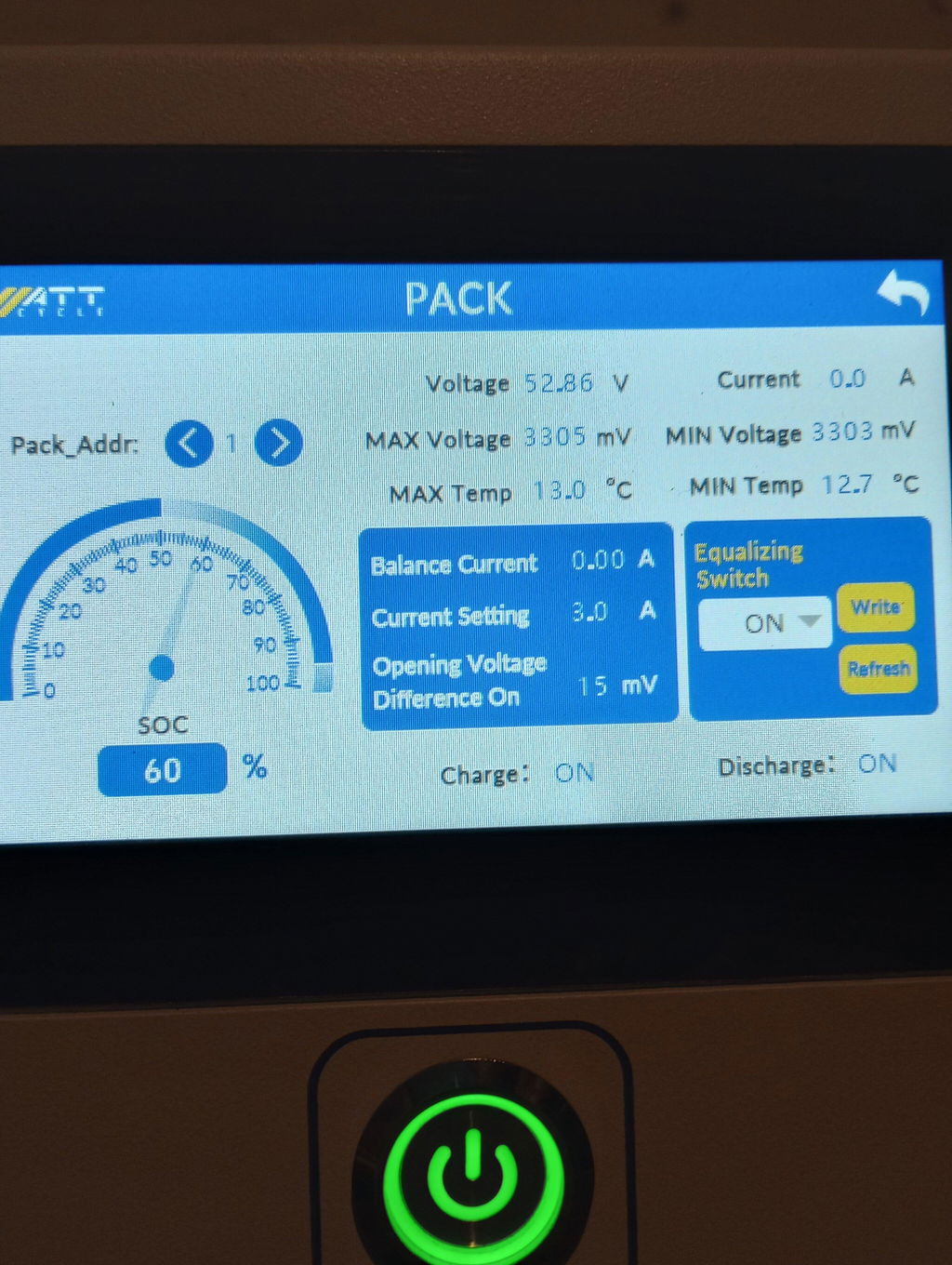
2. Pack
View the current system voltage, current, SOC, maximum and minimum cell voltage, temperature, balance switch and status, charge and discharge MOS status of the battery pack.
3. Cells
Check the voltage and temperature of the battery cell.
4. Alarm
Battery alarm, fault and abnormal information display to help engineers quickly analyze faults.
5. Chart
Display the voltage, current and SOC curve of the battery pack during operation.
6. Set
Set the communication protocol between the battery pack and the inverter, and the display language.
7. Product Information
Display the internal model and software version of the battery pack.
1. Cell Overcharge Protection and Recovery
When the voltage of any cell is higher than the set value of the cell overcharge voltage, and the time of duration reaches the cell overcharge delay, the system enters the overcharge protection state, the charging MOS will turn off, and the battery cannot be charged.After the cell overcharge protection, when the voltage of all cells drops below the cell overcharge recovery value, the overcharge protection state is released. It can also be released by discharge.
2. Overall Overcharge Protection and Recovery
When the overall voltage is higher than the overall over-voltage set value, and the time of duration reaches the overall overcharge delay, the system enters the overcharge protection state, turns off the charging MOS, and cannot charge the battery.When the overall voltage drops below the recovery value of the overall over-voltage protection, the overcharge protection state is released, and it can also be released by discharge.
It depends on the loads you want to cover and how long you need to run them. This battery stores 5.12kWh nominally, so it can be suitable for solar self-consumption, essential-load backup or as the first module in a larger storage system. Use your daily kWh consumption and required backup loads to size the system.
Divide usable battery energy by your average load to estimate runtime. For example, 5.12kWh ÷ 1kW gives about 5.12 hours theoretically. Actual runtime will be lower or different because of inverter efficiency, discharge limits, temperature and varying appliance loads.
WattCycle currently lists multiple brands including Deye, GoodWe, Growatt, Hoymiles, LuxPower, SMA, Sofar, Solax, Solis and Victron, using CAN, RS485 or RS232 depending on the brand.
Yes. WattCycle specifies support for up to 20 compatible batteries in parallel, giving up to 102.4kWh of nominal battery energy.
The Datasheet specifies IP20. Installation should therefore follow WattCycle's installation requirements in an appropriately protected environment rather than exposing the battery directly to rain or outdoor conditions.
The specified charging temperature is 0°C to 55°C. Do not plan normal charging below 0°C unless an approved environmental or heating solution keeps the battery within its permitted charging range. If charging below 0°C, the BMS will be triggered to prevent charging.